Precious Metals

Mali Returns $400 Million in Gold to Barrick Following Settlement with Australian Operator


By: Thee southern African times
Mali has ordered the return of three metric tonnes of gold, valued at approximately $400 million, to the Australian-headquartered Barrick Gold Corporation, concluding a protracted dispute that had strained relations between the company and the West African nation. The ruling, delivered by a Malian court, marks a significant development in the country’s efforts to rebuild investor confidence and reposition its mining sector as a cornerstone of national growth and sovereignty.
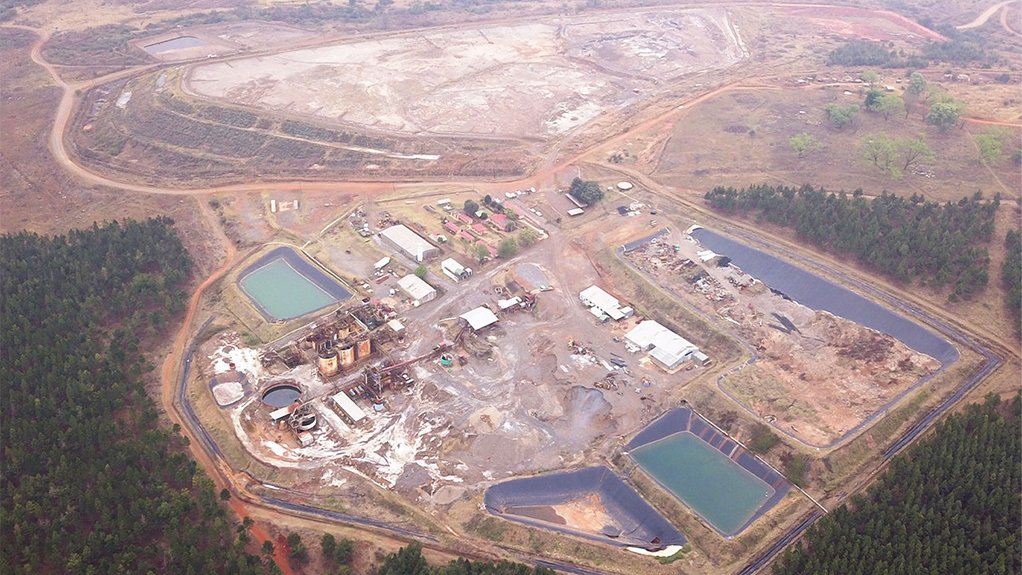
The gold, held by Banque Malienne de Solidarité in Bamako since its seizure in January 2025, was part of an enforcement action undertaken by the country’s military-led government following allegations of unpaid taxes and regulatory non-compliance. Barrick Gold’s Loulo-Gounkoto complex, a key contributor to Mali’s gold output, had seen its operations disrupted after the bullion was confiscated and transported under military escort to the capital.
Under the new ruling, Barrick is authorised to retrieve the gold, bringing an end to nearly a year of operational uncertainty. This decision follows a settlement reached last month between the Malian government and Barrick Gold, in which the company agreed to a payment of 244 billion CFA francs (approximately $430 million) and withdrew its international arbitration case. The agreement also led to the release of four Barrick employees who had been detained since late 2024, symbolising a thaw in what had become a tense standoff between the multinational operator and the transitional authorities.
The dispute arose following the introduction of a revised mining code by Mali’s interim government, which sought to increase the state’s participation in resource revenues amid historically high global gold prices. The reform was part of a wider policy drive aimed at asserting greater national control over extractive industries and ensuring more equitable returns for Malian citizens. While international observers viewed the measures as potentially disruptive to investment, the government maintained that they were essential for economic sovereignty and long-term development.
Barrick had contested a $500 million tax claim issued by Malian authorities but noted it had already paid $85 million in October 2024. The company argued that the subsequent seizure of its gold assets had not only voided its insurance coverage but also resulted in an 11 per cent decline in projected earnings before interest, taxes, depreciation, and amortisation for 2025, according to estimates by Jefferies.
The resolution of this dispute carries broader implications for Mali’s investment landscape. As the country navigates political uncertainty under the leadership of General Assimi Goïta, the government has signalled an intention to stabilise governance and foster renewed confidence among foreign investors. Mali remains one of Africa’s leading gold producers, with the sector accounting for a substantial portion of national export revenues and employment.
The return of Barrick’s gold and the conclusion of the legal case may help reinvigorate investor sentiment, particularly among Western partners who have been cautious about re-engaging in the region following a series of military transitions across West and Central Africa. At the same time, analysts caution that lasting investor confidence will depend on consistent rule of law, transparent governance, and inclusive policies that balance national interests with international cooperation.
The situation also reflects the growing importance of regional collaboration in managing Africa’s mineral wealth. Recent initiatives such as the establishment of a regional investment bank by Mali, Burkina Faso, and Niger illustrate a shift towards collective strategies for resource governance and economic integration. By pursuing reforms that recognise both the strategic value of minerals and the aspirations of local communities, Mali’s approach may yet serve as a test case for how African states negotiate power and partnership in a changing global order.
This episode underscores a broader continental challenge: how to reconcile national sovereignty with the imperatives of global investment, while ensuring that the management of natural resources aligns with the aspirations of African citizens. Mali’s experience serves as a reminder that beyond the figures and bullion lies a deeper question about how the continent can shape narratives of ownership, agency, and partnership on its own terms.
Related Articles

Investigation uncovers fraudulent identity documen...
10 Sep, 2024 08:08
The Top Five Gold-Producing Countries in Africa in...
10 Sep, 2024 08:46
AngloGold notes ‘enormous geological potential’ in...
10 Sep, 2024 09:29
Awalé Resources expands BBM gold zone at Odienné p...
10 Sep, 2024 11:38
Proposed amendment: Gold mines to be subject to th...
10 Sep, 2024 12:39
Pan African Resources Annual Result Improves; Expe...
12 Sep, 2024 07:42
African countries are joining the sovereign gold-b...
12 Sep, 2024 08:07
Platinum Group Metals Ltd. Announces Positive Inde...
16 Sep, 2024 09:11
At least 20 likely dead in violence near Papua New...
16 Sep, 2024 10:37