Precious Metals

Inside the US$1 billion Mining Dispute Shaping Central Africa’s Investment Climate



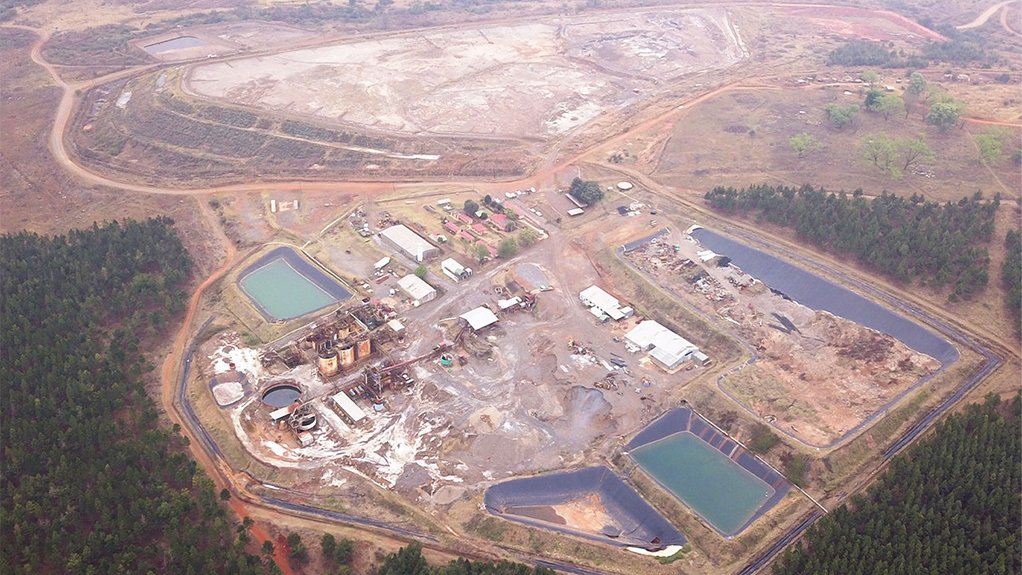
A high-stakes mining dispute between Spanish company Shefa Gold, S.L. and the Government of Equatorial Guinea has become one of the most closely watched legal battles in Central Africa, raising questions about resource sovereignty, investment protection, and the future of mining governance on the continent.
The case is currently before the Permanent Court of Arbitration (PCA) under Case No. 2025-11. At its core are allegations by Shefa Gold that government actions interfered with its mining concessions and violated investment protections. The company is believed to be seeking damages that could reach close to US$1 billion, a figure that underscores both the seriousness and potential impact of the dispute.
For its part, Equatorial Guinea maintains that it acted within its lawful and sovereign authority to regulate its natural resources. Government sources say a specialized review team is examining the case closely and preparing a comprehensive defense, emphasizing that the country remains committed to a fair, transparent, and rules-based mining sector. “Our responsibility is to protect national interests while respecting legal commitments,” an official familiar with the process noted, reflecting the government’s position that the dispute must be seen in the broader context of economic governance and sector reform.
Though the details of arbitration filings remain confidential — as is typical in international investor–state disputes — both sides appear to agree on one point: the outcomes could influence not only the mining landscape in Equatorial Guinea, but also the risk perceptions of investors looking at emerging African mining jurisdictions. With Equatorial Guinea seeking to diversify its oil-heavy economy, the stakes for the State extend beyond the immediate claim. A decision against the country could raise sovereign risk premiums; a successful defense could bolster its regulatory authority and embolden future reforms.
Shefa Gold argues that it met its obligations under the mining arrangements and that administrative obstacles, licensing decisions, and regulatory interventions undermined its ability to explore and operate. The company claims these actions amounted to unfair treatment, breaches of legitimate expectations, and possibly even indirect expropriation. Such allegations are now common in African mining arbitration, where contract clarity, enforcement consistency, and regulatory changes frequently collide with investor interests.
Equatorial Guinea, however, stands firm that resource management falls squarely within sovereign prerogatives, especially when compliance, environmental stewardship, or public-interest considerations are involved. Officials point to the country’s broader efforts to modernize its legal frameworks and strengthen accountability in the extractive sector. “Investment is welcome, but investment must respect our laws, our people, and our development priorities,” a senior policy figure said recently, capturing the regional mood as more African states reassess how mining deals are structured.
The Shefa Gold dispute also arrives at a time when African governments are becoming increasingly assertive in renegotiating legacy mining agreements, enforcing local-content rules, and demanding a larger share of resource-linked value creation. Across the continent, from the DRC to Tanzania and Guinea, the push for greater beneficiation and national gain is reshaping investor expectations. Analysts say the Equatorial Guinea case “could set an important marker” for how far states can go in regulating natural-resource industries before triggering international arbitration.
As the tribunal moves through its procedural stages, observers will be watching for early signals: appointment of arbitrators, procedural orders, possible jurisdictional objections, and any indications of settlement. These milestones will offer glimpses into how both parties intend to frame their arguments — and how aggressively they plan to defend their positions.
What is clear is that the case resonates far beyond gold deposits. It touches on some of Africa’s most pressing policy questions: How can states attract foreign investment without weakening their resource governance agenda? How should contracts be designed to balance investor certainty with evolving national priorities? And how can African economies diversify without becoming more vulnerable to costly arbitration battles?
For now, the Shefa Gold–Equatorial Guinea dispute stands as a reminder of the delicate equilibrium between opportunity and oversight in Africa’s extractive industries. As one regional analyst put it, “This is not just about a mining licence — it is about the future of how African countries negotiate power, value, and sovereignty.”
The tribunal’s decision may take months or even years, but its effects will likely echo across the continent’s mining corridors long after the judgment is delivered.
Related Articles

Investigation uncovers fraudulent identity documen...
10 Sep, 2024 08:08
The Top Five Gold-Producing Countries in Africa in...
10 Sep, 2024 08:46
AngloGold notes ‘enormous geological potential’ in...
10 Sep, 2024 09:29
Awalé Resources expands BBM gold zone at Odienné p...
10 Sep, 2024 11:38
Proposed amendment: Gold mines to be subject to th...
10 Sep, 2024 12:39
Pan African Resources Annual Result Improves; Expe...
12 Sep, 2024 07:42
African countries are joining the sovereign gold-b...
12 Sep, 2024 08:07
Platinum Group Metals Ltd. Announces Positive Inde...
16 Sep, 2024 09:11
At least 20 likely dead in violence near Papua New...
16 Sep, 2024 10:37