Mining Other

Global Lithium Interest Extends to Nigeria as Australia’s Chariot Signs New MoU


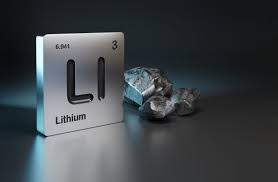
Chariot Resources, an Australia-based mining company, said on Thursday, Jan. 8, that it had signed a memorandum of understanding with Chinese trader Jinjianqiao New Energy Technology Co. to explore a future partnership to develop and operate lithium assets in Nigeria, as interest grows in unlocking the country’s lithium resources.
In July 2025, Chariot agreed to acquire a 66.7% stake in the lithium project portfolio of Nigeria’s Continental Lithium Limited. The portfolio includes the Fonlo, Gbugbu, Iganna and Saki projects, all previously operated as artisanal open-pit sites. Although the transaction is expected to close in the first quarter of 2026, Chariot has already begun laying the groundwork for development, including through the proposed partnership with Jinjianqiao.
Under the memorandum, Jinjianqiao could provide financing through debt or off-take agreements to support exploration work and, ultimately, the development of one of the Nigerian projects. Financial terms were not disclosed. This is the second such agreement announced by Chariot this year, following a similar memorandum signed on Jan. 2 with Shanghai GreatPower Nickel & Cobalt Materials.
The initiatives place Chariot among a small group of companies considering commercial lithium development in Nigeria. Despite the country’s largely untapped lithium potential and the government’s push to develop mineral resources estimated at more than $700 billion, limited information is available on the current state of the lithium sector. Several projects have been announced in recent months, including two processing and refining plants with a combined estimated cost of $800 million, but details on their sponsors and timelines remain scarce.
Further talks with potential partners will be needed to define the terms of any future collaboration and reach a binding agreement. Those discussions are expected to begin after the completion of the acquisition from Continental Lithium.
The moves come as long-term demand for lithium is expected to remain strong. The International Energy Agency estimates that up to 55 additional mines will be required worldwide by 2035 to meet global demand.
Related Articles
Endeavour announces transaction in own shares...
10 Sep, 2024 07:27
Ivanhoe Mines Announces MOU with Government of Zam...
10 Sep, 2024 12:24
Feasibility Study on Lumwana Super Pit Expansion E...
12 Sep, 2024 14:21
Endeavour achieves commercial production at BIOX e...
13 Sep, 2024 08:20
Roscan Gold Announces Changes to the Board of Dire...
16 Sep, 2024 10:40
Minerals Council pays tribute to Pravin Gordhan...
16 Sep, 2024 12:17
Notification of an acquisition of beneficial inter...
18 Sep, 2024 08:39
Newmont on track to get at least $2 billion from a...
18 Sep, 2024 10:49
UAE firm plans to invest $500m in Tanzania...
19 Sep, 2024 08:37