Storage

Egypt Signs $1.8 Billion Solar and Storage Deals With Scatec and Sungrow


On Sunday, January 11, Egyptian state television announced the signing of two renewable energy agreements between Egypt, Norway’s Scatec, and China’s Sungrow. The agreements amount to a combined value of $1.8 billion.
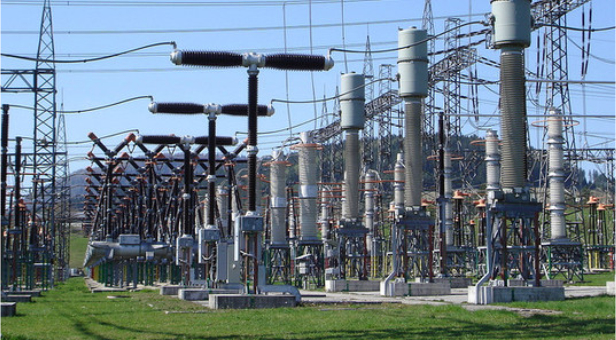
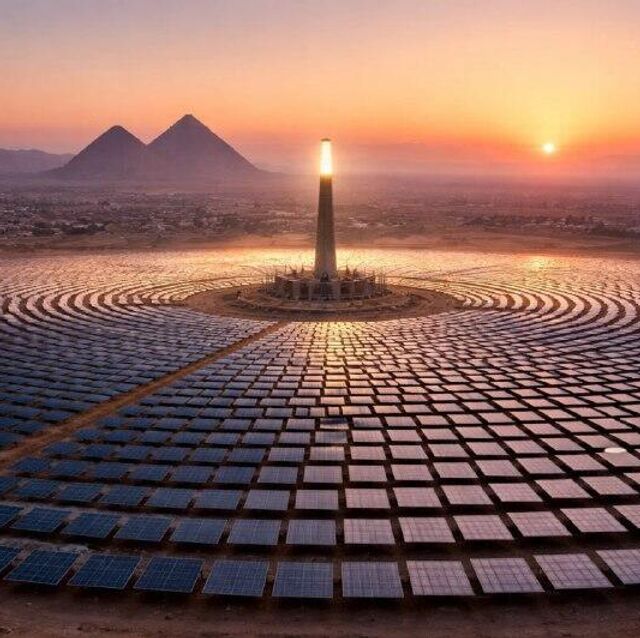
The first agreement consists of a 25-year power purchase contract between the Egyptian Electricity Transmission Company and Scatec. The contract covers a total capacity of 1.95 gigawatts of solar power and around 3.9 gigawatt-hours of battery energy storage systems. The agreement includes a hybrid solar-storage project designed to deliver near-continuous electricity. The deal also includes two standalone battery projects intended to provide grid stability services.
The main project will be located in the Minya governorate in Upper Egypt. The project combines a large-scale photovoltaic plant with batteries capable of discharging electricity over several hours. This configuration smooths power output and reduces reliance on thermal power plants. Scatec will handle engineering, construction, operation, and maintenance while remaining the lead developer. By scale, the project represents the largest solar-plus-storage complex developed in Africa.
“The signing of this contract further consolidates Scatec’s position as a leading player and its commitment to delivering reliable renewable energy at scale in Africa,” said Terje Pilskog, the company’s chief executive officer. “By integrating cutting-edge solar and battery storage technologies, we deliver sustainable electricity to Egypt on a near-continuous basis, as well as grid stabilization services, supporting both the country’s energy transition and the region’s long-term economic development.”
The second agreement with Sungrow, a major battery storage technology provider, provides for the construction of a battery manufacturing plant in the Suez Canal Economic Zone. Sungrow will allocate part of the production to solar projects developed by Scatec. For Cairo, the agreement carries both industrial and energy significance. The Sungrow investment aims to capture more local value added, secure battery supply, and lay the foundations for a national energy storage ecosystem.
The two deals rely on distinct but complementary approaches. Together, they reflect a shift in Egypt’s energy strategy. The country no longer focuses solely on adding renewable capacity. Instead, Egypt seeks to integrate generation, storage, and industrial development to build a more stable and controllable power system.
Related Articles
Nigerian communities seek $310 mln from Shell, wan...
13 Sep, 2024 09:26
Aramco to increase stake in EIG’s MidOcean to 49%,...
17 Sep, 2024 07:50
Saudi Arabia starts operations for the 1st natural...
30 Sep, 2024 13:20
Grid and regulatory hurdles stand in way of Ramokg...
01 Oct, 2024 08:28
Libya Set to Revive Halted Oil Production as Bank ...
01 Oct, 2024 09:10
5th Angola Oil & Gas Opens in Luanda with Calls to...
03 Oct, 2024 11:43
How Heirs Energies turns around OML 17 in 100 days...
22 Oct, 2024 08:28
Oil Updates – crude heads for weekly gain as Middl...
25 Oct, 2024 08:31
Better news for petrol prices in South Africa...
28 Oct, 2024 09:19