Mining Other

Building a responsive skills system for a changing mining landscape


At the recent Mining Skills Lekgotla that took place at Gallagher Estate in Midrand, the Mining Qualifications Authority (MQA) marked its 30-year milestone with a celebration that was as much about reflection as it was about renewed resolve.
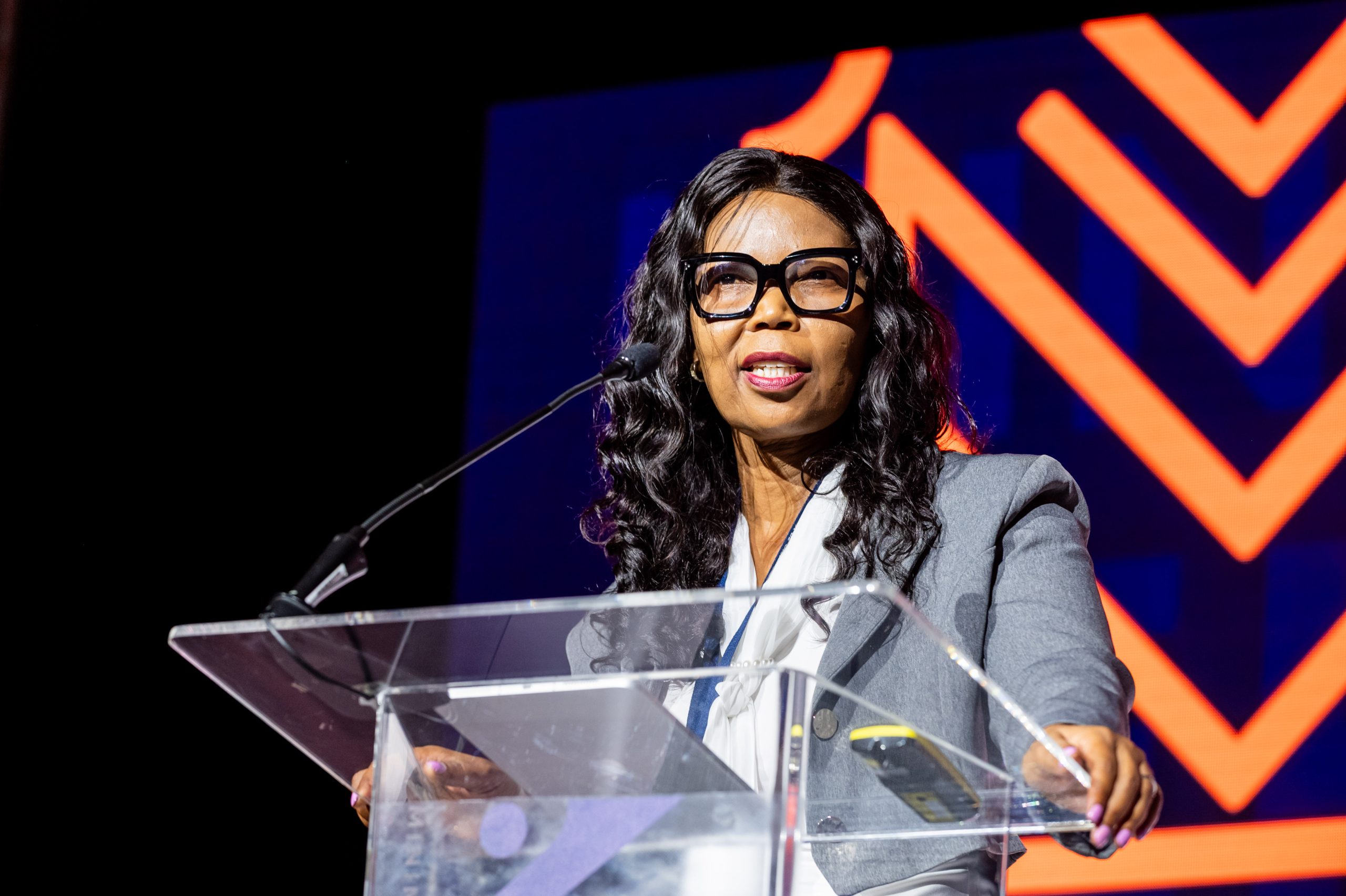
As the first female chairperson of the MQA, Dr Nomusa Qunta (pictured), said the anniversary served not only as a celebration but as a motivation to strengthen and expand the MQA’s impact. She emphasised that strong governance, ethical leadership and strict compliance with legislation have remained central to the organisation’s continued relevance and long-term sustainability.
Over three decades of service, the MQA has built a solid legacy of strengthening the mining workforce through credible, quality-assured and industry-aligned qualifications. This sustained investment in skills development has not only enhanced productivity and professionalism within the sector but has also contributed meaningfully to improved livelihoods, transformation and the broader national imperative of reducing poverty, unemployment and inequality.
Looking ahead, Dr Qunta reaffirmed the board’s unwavering commitment to accountability, transparency, equity and inclusiveness, underscoring its determination to ensure the MQA remains responsive, ethical and fit for purpose in a rapidly evolving mining landscape.
In his address at the Lekgotla, the Minister of Higher Education and Training, Buti Manamela, emphasised the government’s ongoing drive for skills reform and closer alignment between education institutions and industry. He stated that the focus must be broadened beyond university education by strengthening technical & vocational education and training colleges, sector education & training colleges as well as the Sector Education & Training Authorities.
“Skills development is a strategic investment rather than a compliance exercise. The current system has placed emphasis on administrative targets, rather than on meaningful employment outcomes and industry partnerships. The industry needs to take greater ownership of skills development and learning opportunities. The need for collaboration between employers, training institutions and skills authorities is essential for economic growth and social inclusion,” he said.
The Minister further emphasised that while the mining sector remains a vital contributor to the economy, it is increasingly confronted by technological change and the global energy transition, necessitating a skills system that is responsive and fit for purpose.
Addressing delegates, the Deputy Minister of Minerals, Petroleum and Resources, Phumzile Mgcina, stated that while mining has been a cornerstone of national economic growth through employment creation, foreign exchange earnings and infrastructure development, its history is marked by structural exclusion and inequality.
She elaborated that for decades prior to democracy, gender discrimination prevented meaningful participation by black South African women, who were systematically denied access to training, career advancement and leadership opportunities. This historical marginalisation not only entrenched economic disparities but also limited the industry’s potential to reflect the diversity and talent of the broader population.
Mgcina remarked that post-1994 reforms, supported by transformative skills programmes and modern regulatory frameworks, sought to redress historical inequalities and build an inclusive mining sector where advancement is based on ability and merit. She stressed that continued progress in addressing inequality and expanding participation remains essential for sustainable growth and social cohesion, underscoring the need for ongoing collaboration between the government, industry and labour to realise the full objectives of transformation.
The Lekgotla was also highlighted as a forum by the chairperson of the Portfolio Committee on Higher Education, Walter Letsie, which created the opportunity for dialogue between the government, industry and social partners to shape practical and evidence-based solutions for skills development and transformation.
He stated that Parliament’s oversight role is to ensure public resources allocated to skills programmes generate tangible benefits and long-term value, particularly in communities affected by mining and economic transition.
“The focus remains on building a skills ecosystem that is coherent, outcomes-driven and capable of contributing to sustainable growth and inclusive development across the mining and broader economic value chain,” said Letsie.
Related Articles

Oil prices seesaw as markets weigh IEA reserves re...
11 Mar, 2026 08:40
UN committee urges Ethiopia to address pollution a...
13 Mar, 2026 09:35
Boss Mining urges DRC authorities to tackle illega...
13 Mar, 2026 13:05
Integrated water approach sets a benchmark for res...
16 Mar, 2026 07:45
Xylem launches total water treatment solution...
16 Mar, 2026 07:56
Transformation of Nigeria’s mining sector...
16 Mar, 2026 08:05
Dalaroo strengthens West African strategy with key...
16 Mar, 2026 08:15
Strengthening mining value chains to maximise Afri...
16 Mar, 2026 10:27
Ethiopia's export revenue hits record 5.9 bln USD ...
16 Mar, 2026 13:01