
Trucks

Breaking barriers How African SMEs can thrive amid logistics hurdles



Small and medium-sized enterprises (SMEs) are recognized as the potential backbone of Africa's economic future, serving as vital engines for job creation and innovation. However, their growth and ability to trade regionally and internationally are being severely hampered by persistent and inefficient logistics systems. These challenges create significant barriers, causing missed deadlines, lost sales, and mounting costs that stifle the potential of these businesses and frustrate economic progress.
A primary issue is the continent's inadequate infrastructure and bureaucratic hurdles. Nelson Teixeira of FedEx emphasizes that enhanced infrastructure, technology, and reduced bureaucracy are urgently needed to bring African logistics up to a global standard. The consequences are stark, with a World Bank report highlighting that about 37% of locally produced food is lost in transit due to slow processing and poor infrastructure, representing a massive economic drain.
Despite ambitious continental initiatives like the African Continental Free Trade Area (AfCFTA), which aims to reduce trade barriers, many SMEs remain excluded from these new market opportunities. The existing logistics gaps prevent them from capitalizing on the potential of a unified African market, meaning the benefits of such agreements are not fully realized at the grassroots business level.
Hope for improvement is increasingly found in digital innovation. Emerging tools are providing tangible solutions, such as real-time tracking that gives businesses certainty over their shipments' whereabouts. Online customs platforms are streamlining and speeding up the clearance process, reducing errors and delays. These technologies collectively reduce uncertainty and open up new avenues for trade.
The development of more affordable and reliable delivery networks is also transformative for SMEs. These networks allow smaller businesses to expand their reach to regional and global customers without being crippled by the high delivery costs that previously gave larger firms a significant competitive advantage. This levels the playing field and enhances the overall quality and speed of service that SMEs can offer.
It is crucial to recognize that logistics challenges are not uniform across the continent. Landlocked countries face inherently longer transit times and higher costs, while sectors like e-commerce and perishable goods have their own unique, pressing logistical demands. Addressing these issues effectively requires tailored approaches, including flexible delivery networks and specific digital solutions designed for different contexts.
Ultimately, overcoming these hurdles requires a collaborative effort between the public and private sectors. Initiatives like South Africa's National Freight Logistics Roadmap demonstrate the government's role in modernizing infrastructure and creating a policy environment that encourages private investment. With the right logistics partners, smarter supply chains, and supportive government policies, African SMEs can overcome current barriers and truly spearhead the continent's next wave of economic growth.
Related Articles

Electric Truck Market Accelerating Logistics Trans...
22 Oct, 2025 09:17
Logistics Firm AGL On The Spot Over Poorly Maintai...
22 Oct, 2025 09:26
Elite Co buys Transcorp to gain foothold in Saudi ...
23 Oct, 2025 09:06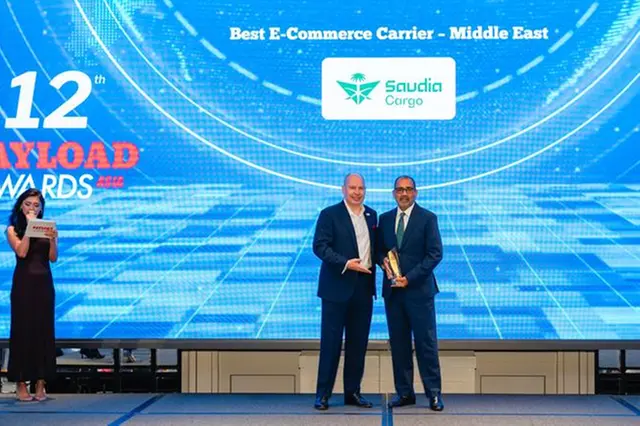
Saudia Cargo named 'Best E-Commerce Carrier – Midd...
27 Oct, 2025 10:43
Maersk cuts the ribbon on the final cold store in ...
29 Oct, 2025 12:14
Refrigeration logistics company CGS to float in No...
30 Oct, 2025 12:53
AKI launches new logistics services for businesses...
04 Nov, 2025 13:24
Zelostech launch AutoLogiX for autonomous transpor...
06 Nov, 2025 11:19
Aramex resumes delivery services to Syria...
07 Nov, 2025 11:52