Transport maritime

Seafarer Dies, Bulker Adrift After Third Hormuz Attack in Days


By: OrePulse
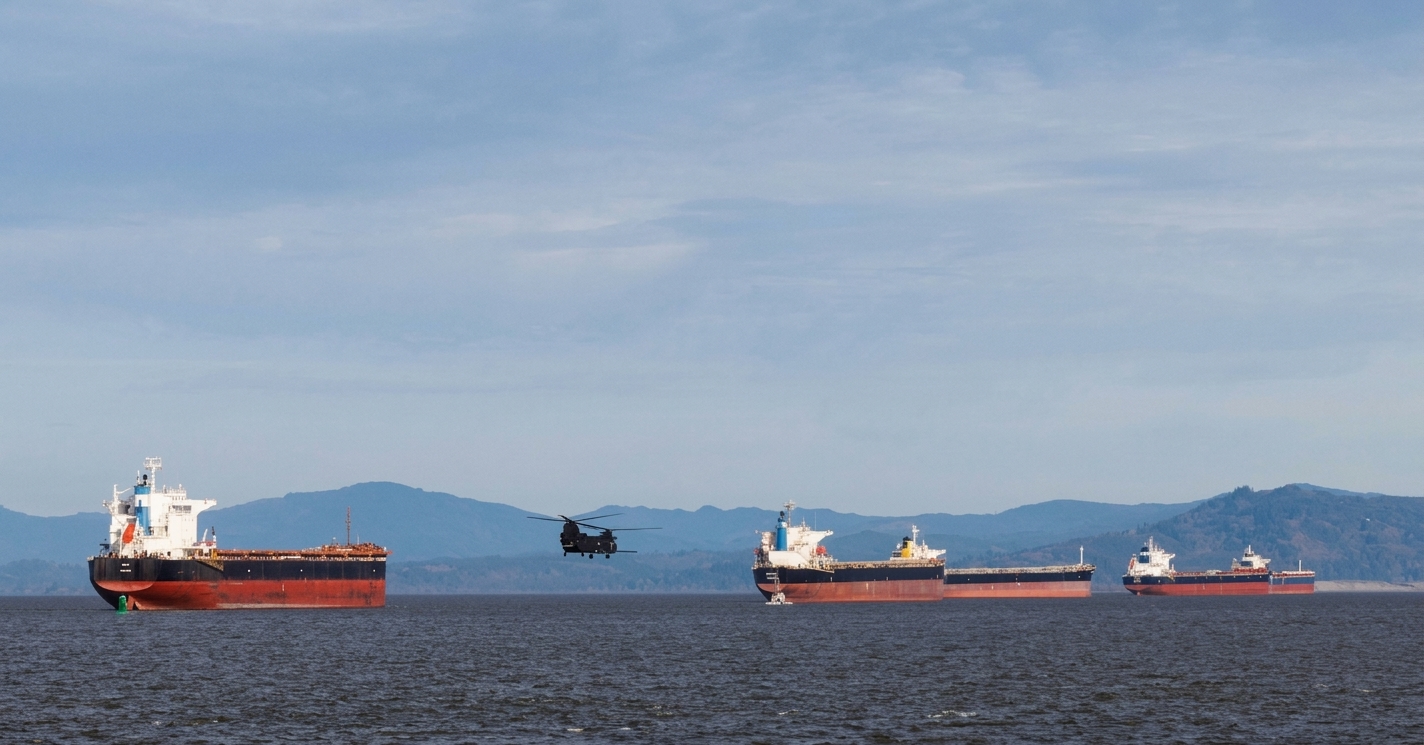
A seafarer was killed, and a capesize bulk carrier was left adrift after an attack in the Strait of Hormuz, the latest in a string of strikes on merchant shipping in the waterway since fighting in the region began.
The vessel involved, the Cape Dao, is a capesize bulker built in 2002 and registered under the flag of Antigua and Barbuda. UK Maritime Trade Operations, the British military body that tracks shipping activity in the Gulf, reported that it came under attack at roughly 6:30 a.m. UTC in waters off Oman's Musandam peninsula. The strike set off a fire in the vessel's engine room and left the ship without propulsion, causing it to drift in the strait.
A vessel from Oman's navy took 27 crew members off the ship. Diplomatic officials in Muscat representing India confirmed that the crew member who died held Indian nationality, and that 19 of the 27 people aboard were Indian nationals. No group has claimed responsibility, and authorities had not identified who attacked at the time of reporting.
The Cape Dao is the third vessel to come under fire in the strait within a matter of days. Two crew members were hurt aboard the tanker LR Stephanie, which flies the Isle of Man flag, when it was hit by a projectile whose origin has not been identified. Separately, the liquefied petroleum gas carrier Al Maryah was damaged by flying debris. Taken together, the three incidents suggest a shipping lane that remains dangerous for commercial vessels, regardless of flag or cargo type.
The International Maritime Organization puts the confirmed count of strikes against commercial vessels in the wider Hormuz area at roughly 80 since the conflict began, a toll that continues to climb with each new incident, spread across tankers, gas carriers and bulk carriers alike.
Separately, Saudi Arabia resumed operation of its East-West pipeline this week, running it at reduced capacity and reopening a route to the Red Sea port of Yanbu that bypasses Hormuz entirely. State oil company Saudi Aramco is aiming to restore the roughly 4 million barrels per day the pipeline carried before drone attacks forced it offline. However, the company has said full restoration could take several more weeks. The pipeline's return gives Saudi exporters a partial hedge against continued disruption in the strait, even as traffic through Hormuz remains exposed to further attacks.
Vessels left adrift in the strait after an attack pose their own secondary risk, since a disabled ship without propulsion can become a hazard to other traffic moving through one of the narrowest and most congested shipping lanes in the world.
The pattern emerging from the past several days- a bulk carrier disabled by fire, a tanker with injured crew, a gas carrier struck by debris- underscores that no category of vessel transiting Hormuz has been spared. That breadth raises the stakes for any resolution to the underlying conflict, and for how quickly alternative routes such as Saudi Arabia's reopened pipeline can absorb volumes that shippers are no longer willing to risk sending through the strait itself.
Articles similaires
Mawani, Sultan Logistics to build logistics zone i...
03 mars, 2026 08:39
AD Ports Group confirms business continuity across...
04 mars, 2026 12:04
AD Ports says rerouted maritime traffic may lift v...
04 mars, 2026 12:07
Aqaba port maintains operations as cargo vessels d...
04 mars, 2026 12:43
All Jebel Ali terminals are operating normally...
06 mars, 2026 09:06
Kuehne+Nagel holds top sea freight rank in 2025...
06 mars, 2026 10:48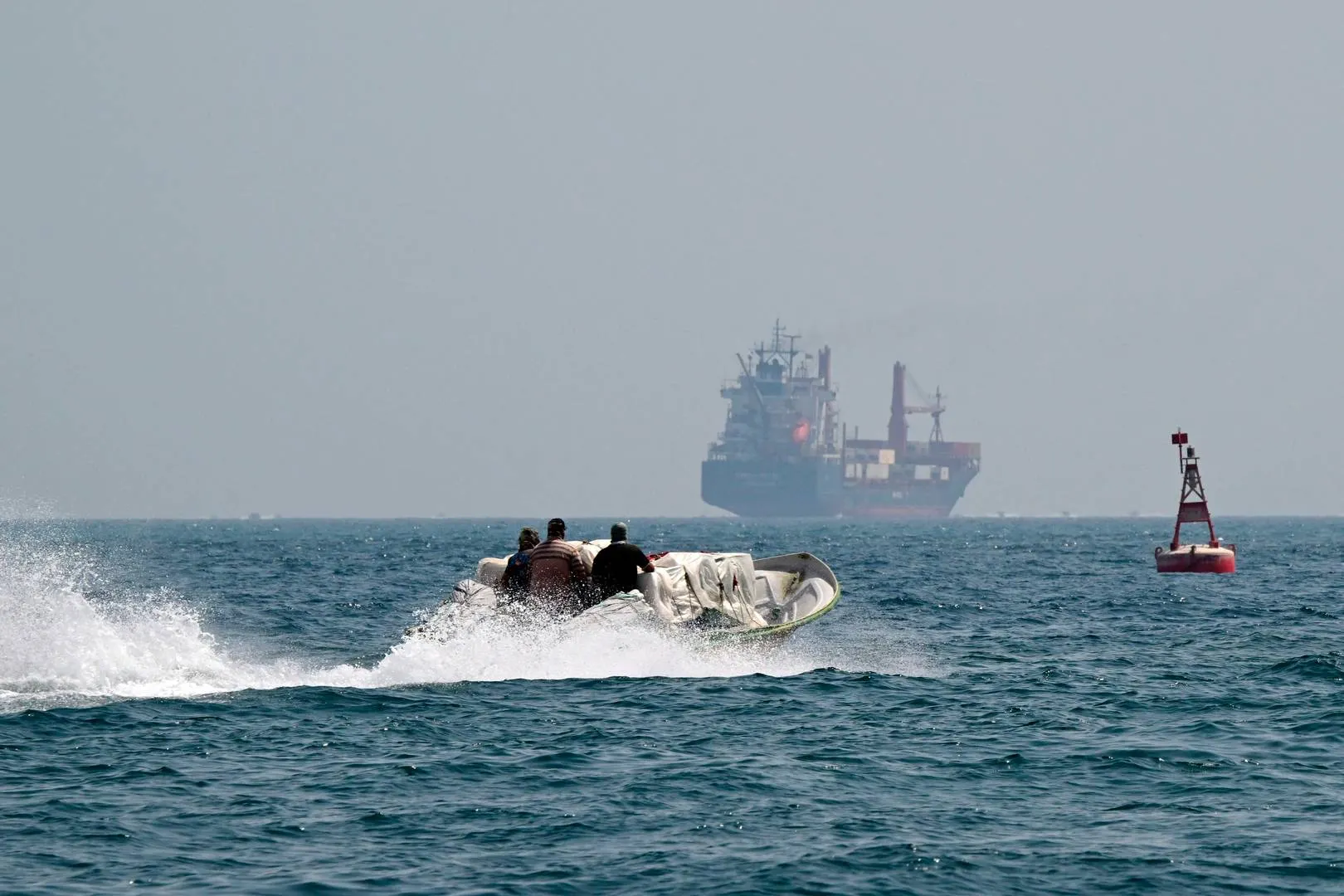
War-risk cover for Gulf shipping may take months t...
06 mars, 2026 10:58
CMA CGM posts $54.4bn revenue despite volatile shi...
09 mars, 2026 08:58
DP World handles multi-country shipments for T20 W...
10 mars, 2026 09:32