Marchés de l’énergie

Oil prices plunge over 5 percent to $83.22 amid signs of easing Middle East tensions


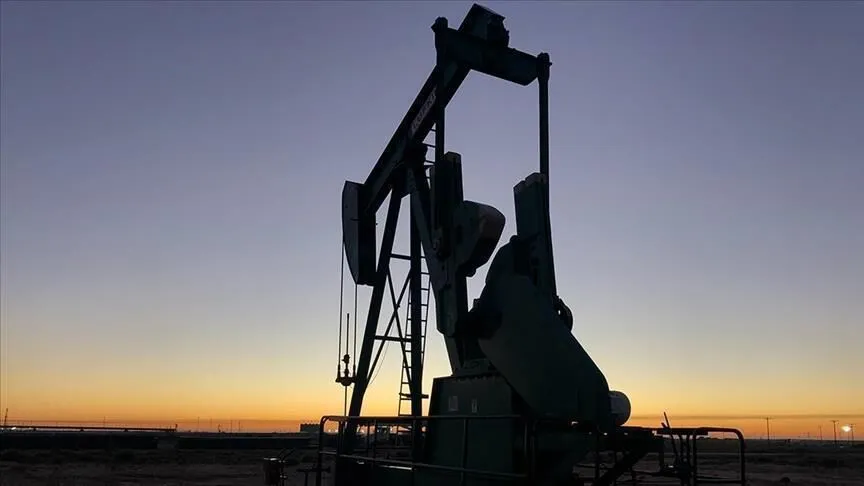
Oil prices plunged by more than 5 percent on Monday after U.S. President Donald Trump refrained from launching a new strike on Iran, opting instead to pursue a swift agreement aimed at curbing Tehran’s nuclear program and reopening the Strait of Hormuz.
As of 5:36 GMT, Brent crude futures fell $4.71, or 5.36 percent, to $83.22 a barrel, while U.S. West Texas Intermediate (WTI) crude dropped $5.22, or 6.17 percent, to $79.45 a barrel.
Oil prices fall on signs of easing tensions
Oil prices surged more than 20 percent last month as renewed fighting between the U.S. and Iran, coupled with attacks on several tankers near Oman, intensified security concerns and discouraged some shipping companies from entering the Gulf to load oil.
Signs of easing tensions emerged after Trump said late Saturday on his Truth Social platform that Iran and other regional countries had requested additional time to finalize an agreement that would result in the “immediate, complete and total” reopening of the strategic Strait of Hormuz and eliminate Iran’s nuclear threat.
Two Saudi oil tankers passed through the Bab el-Mandeb Strait into the Red Sea over the weekend, even as traffic through the Strait of Hormuz slowed following reports of vessel attacks, according to shipping data released on Monday.
The United Kingdom Maritime Trade Operations (UKMTO) has reported three additional tanker incidents since Saturday, adding to concerns over security risks in key oil shipping routes.
OPEC+ announces 188,000 bpd output hike
Meanwhile, OPEC+ agreed on Sunday to raise its oil production quota by around 188,000 barrels per day from September, marking the completion of the rollback of one layer of voluntary output cuts.
With the September output increase now approved, OPEC+ will still maintain another layer of production cuts affecting most of its members. These reductions, totaling around 2 million barrels per day, were introduced in 2022 and are scheduled to remain in place through the end of the year.
However, the impact of the group’s production increases has been limited, as export disruptions in the Gulf, along with supply constraints from Russia and Kazakhstan linked to the Iran and Ukraine conflicts, have kept much of this year’s planned OPEC+ output increases largely theoretical rather than translating into higher market supply.
Articles similaires

Oil prices jump over 3 percent to $84.41 as supply...
05 mars, 2026 07:30
Oil prices fall 1 percent to $84.56 as U.S. grants...
06 mars, 2026 07:40
Oil prices drop to $86.98 on report of IEA plannin...
11 mars, 2026 07:16
Oil prices surge back above $100 as Mideast tensio...
12 mars, 2026 08:07
Oil gains 9 percent this week as prices remain abo...
13 mars, 2026 07:50
Oil prices surge to $104.87 as Trump seeks naval c...
16 mars, 2026 07:48
Oil prices recoup losses, surge to $102.85 as supp...
17 mars, 2026 08:01
Oil prices contract by 2.21 percent to $101.13 fol...
18 mars, 2026 11:34
Oil prices rise to $107.34 as investors balance ge...
23 mars, 2026 08:30