Métaux de base

In Critical Minerals Push, U.S. Eyes Congolese Artisanal Cobalt


On Wednesday, May 13, Entreprise Générale du Cobalt (EGC) announced the signing of a memorandum of understanding with EVelution Energy and commodity trader Trafigura to establish a cobalt supply chain between the United States and the Democratic Republic of Congo. Under the proposed arrangement, the initiative could help the Congolese regulator of the artisanal cobalt sector support a framework capable of covering around 40% of U.S. demand for the strategic metal.
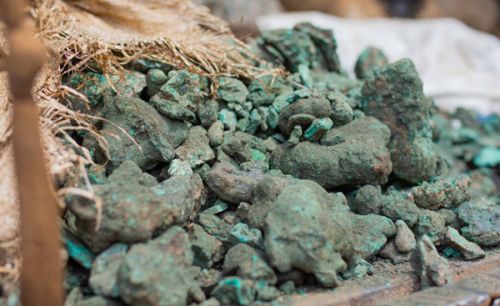
Created by the DRC in 2019, EGC is the only entity authorized to purchase, process and export cobalt from the country's artisanal mines. Under the agreement, EGC would supply EVelution Energy with cobalt hydroxide sourced through its authorized operations, providing feedstock for a cobalt sulfate plant, a higher-value battery-grade product, that the U.S. company plans to develop in Arizona.
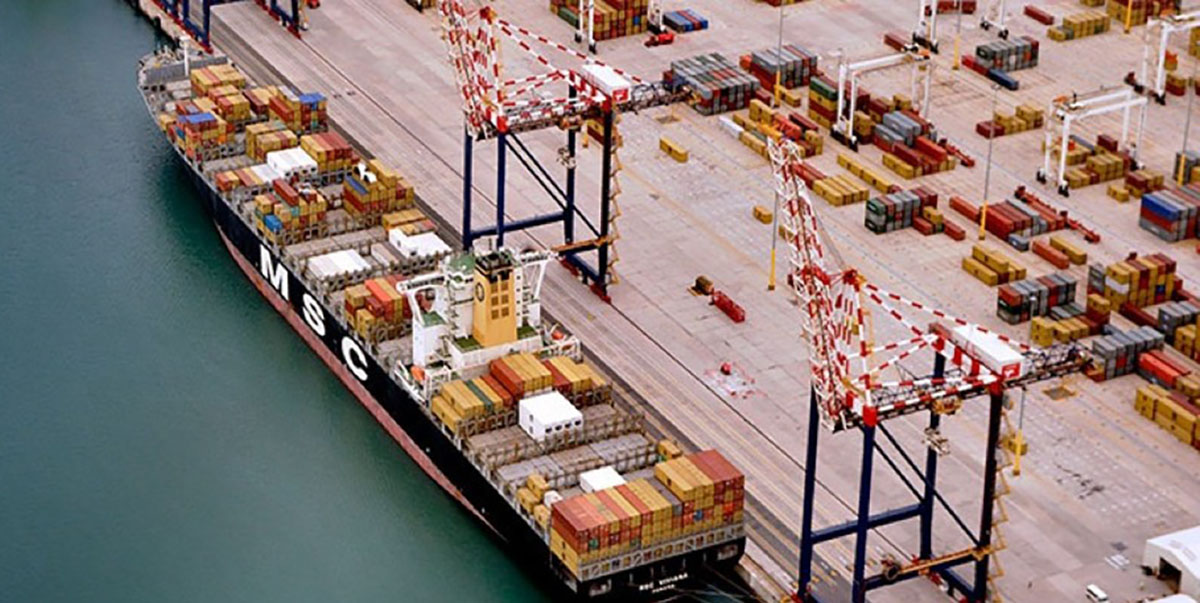
EVelution said the project is expected to become the first commercial-scale cobalt refinery in the United States, helping secure domestic processing capacity for the American market using cobalt sourced from the DRC. Trafigura would oversee logistics coordination under the arrangement, with the Lobito Corridor serving as the main transit route.
A New Piece in America's Strategic Playbook
The agreement marks another U.S. move into the DRC's cobalt sector, following the recent acquisition of Chemaf and its copper and cobalt mines by Virtus Minerals. It also aligns with a critical minerals partnership signed between the two countries in December 2025, under which Congolese state-owned companies agreed to prioritize the U.S. market for part of their mining output, with a target of directing around 30% of cobalt sales to the United States over the next five years.
The initiative involving EGC carries additional strategic significance as Kinshasa has increased state control over cobalt exports since 2025, when authorities introduced a quota system after imposing a months-long export embargo on the metal, which is widely used in electric vehicle batteries, defense systems and aerospace applications.
Under the quota framework, EGC has been allocated 1,775 tonnes for 2026, rising to 5,640 tonnes in 2027, making it the sector's fifth-largest allocation holder in an industry still dominated by private operators, including Chinese group CMOC, the world's largest cobalt supplier. The agreement also draws renewed attention to the artisanal mining sector, which has historically accounted for between 15% and 30% of national cobalt output despite longstanding concerns over working conditions.
EGC chief executive Eric Kalala said the memorandum demonstrated the DRC's commitment to developing responsible supply chains that generate more value locally while meeting international standards.
What Comes Next
The parties still need to negotiate the project's final terms before signing binding agreements. No details have yet been disclosed regarding the overall volumes expected from EGC, an issue likely to attract attention given the company's existing partnership with Mercuria. In February, EGC announced a first copper and cobalt transaction with the trading house, with supplies intended for the United States, the United Arab Emirates and Saudi Arabia.
The discussions come as the DRC seeks to move beyond its traditional role as a raw material supplier by promoting greater domestic processing of its mineral resources. While the proposed agreement remains primarily focused on supply cooperation, it also reflects Congo's broader refining ambitions. The memorandum includes provisions for technical assistance and the possibility for EGC to acquire a minority stake in EVelution Energy or in the planned refinery project, whose construction is expected to begin in 2027.
Articles similaires

Iran conflict disrupts China's Middle East steel e...
03 mars, 2026 08:26
Emirates Global Aluminium's annual profit rises as...
03 mars, 2026 08:42
Tumas Uranium Project technically ready for develo...
03 mars, 2026 11:56
PDAC: Secure uranium sources key to fixing supply ...
04 mars, 2026 10:42
DRC Mining Week Returns to Africa’s Largest Copper...
04 mars, 2026 11:38
URU begins ground-based geophysical programme at S...
05 mars, 2026 07:48
MMG eyes copper deals as profit more than triples...
05 mars, 2026 08:46
Atomic Eagle increases uranium resources by 24% at...
06 mars, 2026 09:10
Iron-ore extends rally on surging energy, rising f...
09 mars, 2026 08:08