Autres (mines)

Askari reports high-grade tin, lithium and tantalum results at Uis


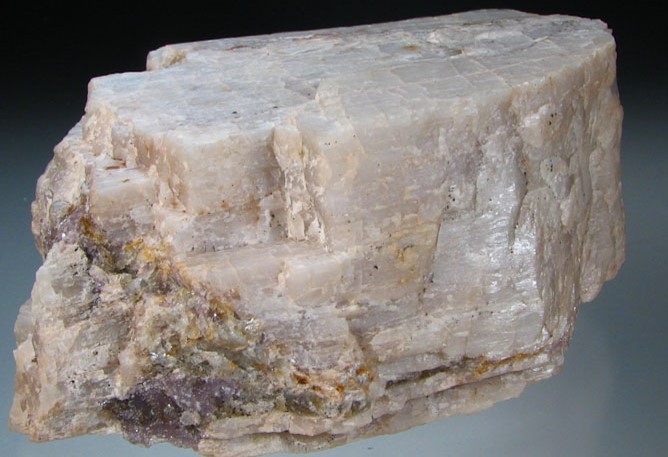
Askari Metals Ltd. reports that assays from trenching at its Uis Project in Namibia have returned high-grade tin, lithium and tantalum results, confirming a broad polymetallic system across its licences.
During the March quarter, the company received additional assay results from a trenching programme at EPL 7345, with peak values including 3,360 ppm tin, 1.25% lithium oxide, 364 ppm tantalum, 3,370 ppm rubidium and 587 ppm caesium.
The results come from the DP pegmatite target, where systematic trenching across ten pegmatites on a 40-metre grid has begun to define the scale and continuity of mineralisation.
Askari completed 39 trenches totalling 749 metres, collecting 325 channel samples, with multiple trenches intersecting mineralisation across the full width of the pegmatites.
The main pegmatite has been traced over approximately 700 metres of strike with an average surface thickness of about six metres, supporting the potential for a sizeable mineralised system.
The latest assays build on earlier exploration, including rock chip samples that returned up to 1.92% lithium oxide, and historical results of up to 4.05% tin oxide and 1,121 ppm tantalum from nearby pegmatites.
Previous reverse circulation drilling intersected narrower zones, including 4 metres at 0.16% tin oxide and 4 metres at 314 ppm tantalum, although the company said earlier drilling did not adequately test the main target.
Askari said a technical review of historical data has allowed it to reinterpret the geology and better define the extent of mineralisation across EPL 8535, EPL 7345 and EPL 7626, positioning the project as a polymetallic system hosting tin, tantalum, lithium and rubidium.
The licences are located adjacent to the operating Uis Tin Mine, owned by Andrada Mining Limited, placing the project within an established mining district.
The company is now advancing plans for reverse circulation drilling in the second half of 2026, which will test the continuity of mineralisation at depth, alongside further sampling programmes at EPL 7626.
Articles similaires
Endeavour announces transaction in own shares...
10 sept., 2024 07:27
Ivanhoe Mines Announces MOU with Government of Zam...
10 sept., 2024 12:24
Feasibility Study on Lumwana Super Pit Expansion E...
12 sept., 2024 14:21
Endeavour achieves commercial production at BIOX e...
13 sept., 2024 08:20
Roscan Gold Announces Changes to the Board of Dire...
16 sept., 2024 10:40
Minerals Council pays tribute to Pravin Gordhan...
16 sept., 2024 12:17
Notification of an acquisition of beneficial inter...
18 sept., 2024 08:39
Newmont on track to get at least $2 billion from a...
18 sept., 2024 10:49
UAE firm plans to invest $500m in Tanzania...
19 sept., 2024 08:37