Distribution

TCN Rejects Claims That Transmission Network Drives Nigeria’s Power Shortages


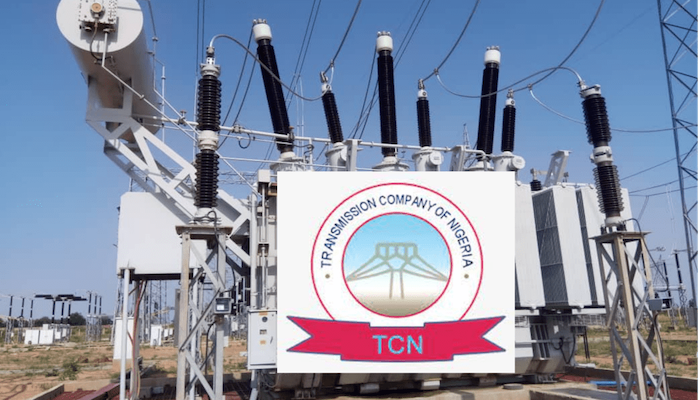
Nigeria’s electricity transmission network is not the main cause of the country's chronic power shortages, according to the head of the state-owned company responsible for operating the national grid.
Sule Ahmed Abdulaziz, Managing Director of the Transmission Company of Nigeria, challenged a widely held perception about Nigeria’s power sector during a parliamentary summit on electricity sector reforms. He said the transmission network does not represent the primary obstacle to improving electricity supply across the country.
Citing operational data, Abdulaziz said TCN currently maintains transmission capacity of 8,700 megawatts (MW), while the highest power ever injected into the national grid has reached only 5,801 MW.
“The implication is clear: the national grid can currently transmit far more electricity than has ever been generated and supplied. TCN has consistently wheeled all available generation, demonstrating that the transmission network is ready to support higher levels of electricity supply,” Abdulaziz said.
Network Faces Threats From Vandalism and Encroachment
Despite defending the performance of the transmission system, Abdulaziz warned about growing threats to electricity infrastructure. He said vandals and saboteurs regularly damage transmission towers and high-voltage lines, disrupting power supply and increasing maintenance costs. He also said individuals and businesses continue to encroach on transmission corridors, restricting maintenance work and preventing network expansion.
In response, Abdulaziz urged the federal government and the National Assembly to strengthen the legal framework protecting power infrastructure. He also called for the creation of a unified national mechanism to protect transmission corridors through cooperation among federal, state and local authorities.
Reforms Continue Across the Electricity Sector
Abdulaziz acknowledged that challenges persist across the broader electricity value chain. He said financing constraints, foreign exchange pressures and inadequate gas supplies for thermal power plants continue to limit progress. He also identified persistent weaknesses in the distribution network, which delivers electricity directly to consumers, as another major constraint.
These challenges emerge as the federal government continues to implement wide-ranging reforms in the power sector. In April 2026, President Bola Ahmed Tinubu approved a 3.3 trillion naira (approximately $2.1 billion) repayment plan to clear debts accumulated across the electricity industry between 2015 and 2025.
According to a statement from the presidency, 15 power generation companies have already signed settlement agreements worth a combined 2.3 trillion naira. The government aims to restore investor confidence, improve liquidity throughout the electricity value chain and stabilize power generation across Africa’s largest economy.
Related Articles
US average diesel prices cross $5 a gallon as Midd...
17 Mar, 2026 08:34
Six African countries with cheapest petrol prices ...
17 Mar, 2026 08:56
Ghana Commissions LPG Tanker to Support Expansion ...
17 Mar, 2026 09:30
Ethiopia Intensifies Sustainable Energy Drive to M...
19 Mar, 2026 10:18
Saudi Aramco restarted Ras Tanura oil refinery on ...
19 Mar, 2026 10:25
Saudi Aramco-Exxon refinery SAMREF in Saudi Arabia...
19 Mar, 2026 11:09
Aramco lowers crude shipments to Asia for second s...
23 Mar, 2026 11:51
UAE's ADNOC Gas adjusts LNG output in response to ...
23 Mar, 2026 12:19
Uganda Cargo via Mombasa Climbs 25% to 10.91 Milli...
24 Mar, 2026 10:38