Logistic

We need to urgently work together to get SA’s logistics sector up and running


South Africa’s logistics sector, which should be the engine of economic growth, is weighed down by mismanagement, corruption, entrenched crime syndicates, unyielding labour unions, and crumbling infrastructure. In response, the private sector has been forced into survival mode, quietly fixing what it can and finding ways around the dysfunction simply to stay afloat.
It is in this context that private participation across Transnet assets represents a critical glimmer of hope for the industry and the South African economy.
The Case for Public-Private Partnerships
South Africa’s move towards private partnerships at national logistics assets aligns with a broader global trend. Many other countries have embraced what private partnerships can bring: innovation, efficiency, and investment discipline, while the public sector provides resources and regulatory oversight. Together, these complementary roles can create more resilient systems.
The Urgency for Reform
The urgency for this model is underscored by recent credit rating downgrades from S&P and Moody’s for Transnet. S&P stated that Transnet would not be able to service its R137 billion debt without government intervention and flagged a high likelihood it will miss its target of moving 250 million tons of freight by 2030.
South Africa’s ability to grow its economy, attract investment, and create jobs is directly tied to the efficiency of its logistics network. As a trade-dependent economy, the seamless movement of goods is critical. International trade, measured at 65.2% of GDP in 2023, is the backbone of the economy, with roughly two-thirds of that trade moving through its eight major seaports.
Losing Ground to Regional Competitors
While South Africa delays, other African economies are capitalizing on shifting global dynamics. Shipping companies bypassing the Red Sea are increasingly docking at ports in Maputo, Beira, and Walvis Bay, even when South Africa is their ultimate destination. If this trend continues, South Africa could permanently lose its status as a regional shipping hub.
Mozambique’s Port of Maputo is a direct competitor, undergoing a $164 million upgrade funded by private operator Dubai World that will more than double its container capacity within two years. Mozambique has welcomed public-private partnerships (PPPs) to inject capital into upgrades while the government retains ownership.
A Call to Action
This regional momentum is a warning sign. It highlights the need for South Africa to fast-track its own infrastructure upgrades through private partnerships, especially at key assets like the Durban Container Terminal Pier 2. However, this project is currently on hold due to a legal dispute, two years after it was announced.
South Africa’s government has already signalled its commitment to PPPs. What is needed now is for all players to put the country’s economic future first. Further unnecessary delays will not only cost South Africa billions in trade but will also allow its neighbours to reap the benefits of modern, well-run ports while its own economy suffers.
Related Articles

China, Tanzania, Zambia sign initial agreement on ...
04 Sep, 2024 07:20
Arthur D. Little grows Middle East travel & transp...
05 Sep, 2024 08:16
Forum on "North-South" International Transport Cor...
05 Sep, 2024 10:29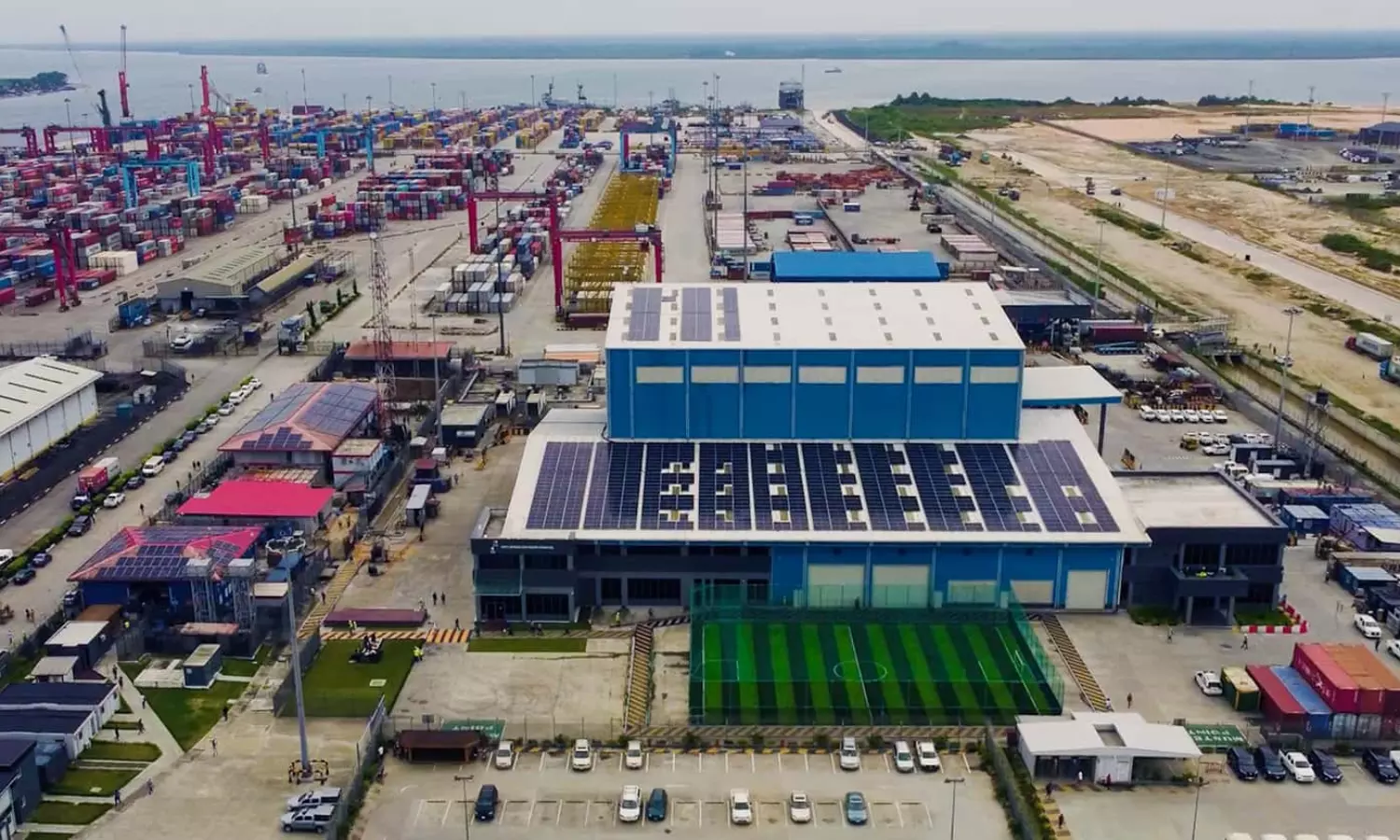
APM Terminals to invest $115 million in Nigeria123...
06 Sep, 2024 13:37
Container spot rates drop 8%...
09 Sep, 2024 10:41
Africa Emerges as a Key Player in Global Airfreigh...
10 Sep, 2024 13:01
Shortlist spotlight 2024: Project Logistics Provid...
12 Sep, 2024 09:59
Logistics News ME’s September issue reflects on Em...
12 Sep, 2024 13:54
New Africa routes for SAA...
13 Sep, 2024 10:56