Logistic

UAE rail transport grows as driver of sustainable growth


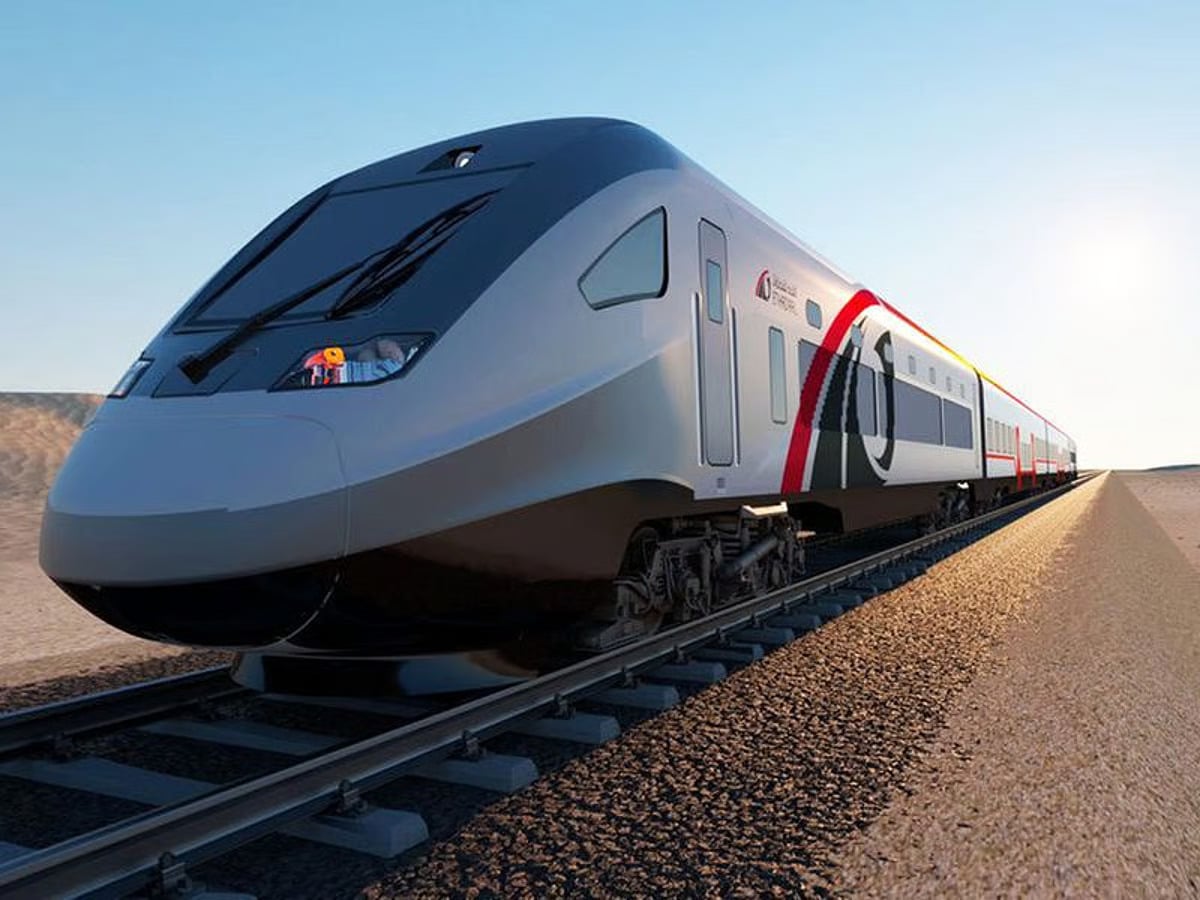
The United Arab Emirates continues to prioritise the expansion and modernisation of its land transport sector, with railways taking centre stage as a key component of the nation’s broader infrastructure agenda.
This strategic focus aims to enhance connectivity, support economic growth, and strengthen the UAE’s position as a regional transport and logistics hub.
Rail as a pillar of national development
Suhail Mohamed Al Mazrouei, Minister of Energy and Infrastructure, noted the strategic role of rail in national development during remarks to the Emirates News Agency (WAM).
Al Mazrouei tells us that the state has integrated UAE rail transport as a central component of the Projects of the 50, the nation’s ambitious development initiative.
Launched in 2021, the National Railway Programme represents a major investment of AED50 billion, establishing the largest railway system of its kind in the country.
According to the minister, this initiative extends beyond traditional infrastructure development.
It results in a comprehensive vision designed to deliver economic and developmental returns exceeding AED200 billion.
Railways are now positioned as a cornerstone of the UAE’s long-term growth and connectivity strategy despite the country’s tough terrain and subsequent construction challenges.
Economic and developmental impact
The drive simultaneously reduces carbon emissions and enhances road safety in alignment with the UAE Centennial 2071 objectives.
The initiative also underpins broader economic diversification, supporting trade, logistics, and joins the trend of regional connectivity.
Al Mazrouei emphasised that rail transport constitutes a foundational pillar for the UAE’s Net Zero by 2050 strategic initiative, offering a sustainable and efficient alternative to road transport.
Stating, “Railways improve quality of life and public satisfaction by providing safer, greener, and more reliable mobility options,”.
The minister also mentioned ongoing investments in smart mobility, including advanced infrastructure for autonomous vehicles, alongside the establishment of a robust legislative and regulatory framework.
These developments collectively reinforce the UAE’s position at the forefront of technological innovation in transport.
Sustainability and smart mobility goals
Rail transport is central to the UAE’s sustainability and smart mobility ambitions, linking environmental responsibility with advanced infrastructure.
Projects aim to reduce the nation’s carbon footprint while providing safer and more efficient mobility options.
Al Mazrouei pointed out ongoing integration of autonomous vehicle infrastructure and other smart technologies.
A strong legislative and regulatory framework is being implemented to support these innovations.
The country is committed to ensuring that future transport solutions are both technologically advanced and environmentally sustainable.
These initiatives collectively place the UAE at the cutting edge of sustainable and smart transport solutions, while also creating the foundation for future transport innovation.
Global Rail 2025, event and leadership
Global Rail 2025, opening on 30th September in Abu Dhabi, is set to function as a major international platform for cooperation, knowledge exchange, and foresight in the rail sector.
The minister noted that the event reflects the directives of the UAE’s leadership, particularly in promoting sustainable development and embracing innovative solutions that balance economic growth with environmental stewardship.
Al Mazrouei remarked, “The UAE aims to spearhead pioneering projects that consolidate its position as a leader in transport and future infrastructure.”
He went on to say that hosting Global Rail 2025 demonstrates the country’s commitment to advancing sustainable transport on a global scale, strengthening its role as an international hub for collaboration and innovation.
The initiative is designed not only to meet current infrastructure needs but also to lay the groundwork for a prosperous and sustainable future for successive generations.
Related Articles

China, Tanzania, Zambia sign initial agreement on ...
04 Sep, 2024 07:20
Arthur D. Little grows Middle East travel & transp...
05 Sep, 2024 08:16
Forum on "North-South" International Transport Cor...
05 Sep, 2024 10:29
APM Terminals to invest $115 million in Nigeria123...
06 Sep, 2024 13:37
Container spot rates drop 8%...
09 Sep, 2024 10:41
Africa Emerges as a Key Player in Global Airfreigh...
10 Sep, 2024 13:01
Shortlist spotlight 2024: Project Logistics Provid...
12 Sep, 2024 09:59
Logistics News ME’s September issue reflects on Em...
12 Sep, 2024 13:54
New Africa routes for SAA...
13 Sep, 2024 10:56