Logistic

Logistics And Ports Sector Remains Resilient Despite Uncertainty Over Trade Tariffs



Global trade has come under significant strain this year, weighed down by rising tariffs, trade policy uncertainty, and disruptions in key shipping routes. According to Kenanga Research, while the outlook for international trade remains volatile, Malaysia’s logistics and port sectors continue to show resilience—supported by booming e-commerce and the nation’s strategic role in the shifting global supply chain.
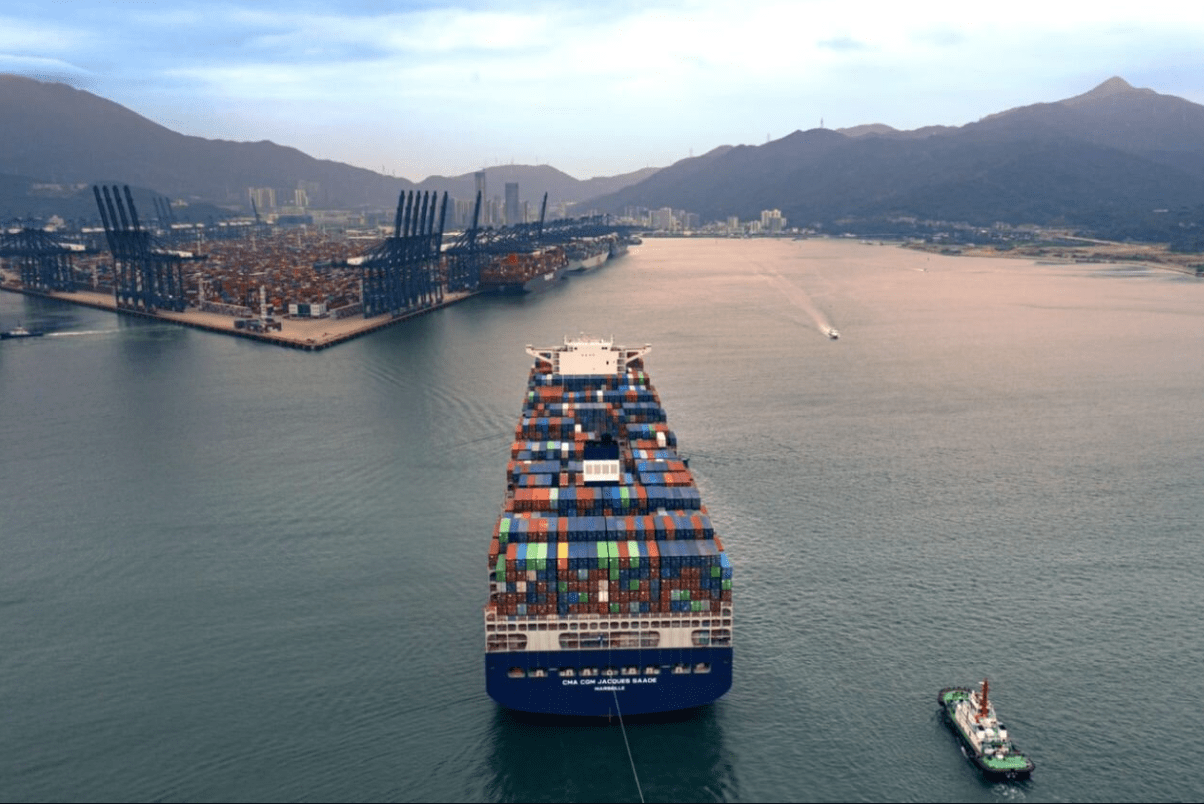
The research house noted that global trade flows have been severely impacted by the ongoing diversion of ships away from the Red Sea, forcing vessels to take longer voyages around the Cape of Good Hope. The Asia-Europe trade lane, which accounts for about 30% of global container traffic, has been particularly affected, leading to fewer port calls and congestion issues across regional ports, including Westports Holdings Bhd (WPRTS).
Despite the challenges, the World Trade Organization (WTO) in its latest update revised upwards its 2025 global merchandise trade growth forecast to 2.4% from 0.9%, citing frontloaded orders ahead of new tariff implementations and strong trade in AI-related goods. However, the WTO also downgraded its 2026 growth outlook to 0.5%, reflecting concerns over persistent tariff hikes, policy uncertainty, and potential escalation of conflicts in the Middle East.
Malaysia Among Beneficiaries of Trade Diversion
Closer to home, the WTO highlighted that several economies in Asia—namely Malaysia, Singapore, India, and Vietnam—are emerging as key “connecting economies” amid ongoing U.S.-China trade tensions. These countries are benefiting from trade diversion and supply chain realignment, allowing them to trade across geopolitical blocs and reduce exposure to trade fragmentation.
Kenanga noted that Malaysia’s exports to the United States fell for the first time in 20 months in August 2025, down 16.7% year-on-year as higher U.S. tariffs took effect. The U.S. has now slipped to Malaysia’s third-largest export destination, behind Singapore and China. Still, Malaysia is well-positioned to capture opportunities from trade realignment and onshoring trends.
Carbon Rules Pose New Challenges
The report also cautioned that new international environmental regulations could reshape global trade dynamics. The International Maritime Organization (IMO) now requires ships to improve carbon intensity by 2% annually through 2030, while the European Union’s Carbon Border Adjustment Mechanism (CBAM)—set to take full effect in 2026—will require importers to purchase carbon credits linked to embedded emissions in goods.
These measures are expected to impact container volumes heading to the EU, which currently represent about 18% of Asia-Europe trade, especially for exports from China such as iron, steel, and aluminium.
Domestic Logistics Gains from E-Commerce Boom
On the domestic front, Malaysia’s logistics sector remains steady, supported by strong e-commerce growth and structural shifts in manufacturing. Malaysia’s total trade growth moderated to 3.8% year-to-date (YTD) as of August 2025, compared to 9.2% in 2024, with a trade surplus of RM86.1 billion.
Kenanga highlighted that the third-party logistics (3PL) segment continues to perform well, driven by on-shoring activities and the rapid expansion of online retail. Malaysia’s e-commerce gross merchandise volume is projected to grow at a 7% compound annual growth rate (CAGR) from 2023 to 2027, reaching RM1.9 trillion by 2027.
However, local logistics players such as Swift Haulage Bhd face stiff competition from Chinese logistics firms, which often offer below-market pricing as part of broader foreign investment packages, squeezing local profit margins.
The sector’s long-term growth, Kenanga added, will hinge on demand for distribution hubs, warehouse automation, and cold-storage facilities to support just-in-time delivery and nearshoring strategies.
Kenanga maintained its NEUTRAL stance on Malaysia’s logistics and port sector, with Westports Holdings (WPRTS) as its top pick.
Related Articles

China, Tanzania, Zambia sign initial agreement on ...
04 Sep, 2024 07:20
Arthur D. Little grows Middle East travel & transp...
05 Sep, 2024 08:16
Forum on "North-South" International Transport Cor...
05 Sep, 2024 10:29
APM Terminals to invest $115 million in Nigeria123...
06 Sep, 2024 13:37
Container spot rates drop 8%...
09 Sep, 2024 10:41
Africa Emerges as a Key Player in Global Airfreigh...
10 Sep, 2024 13:01
Shortlist spotlight 2024: Project Logistics Provid...
12 Sep, 2024 09:59
Logistics News ME’s September issue reflects on Em...
12 Sep, 2024 13:54
New Africa routes for SAA...
13 Sep, 2024 10:56