Base Metals

Kanyika, Africa’s first niobium mine, now expected to start production in 2028


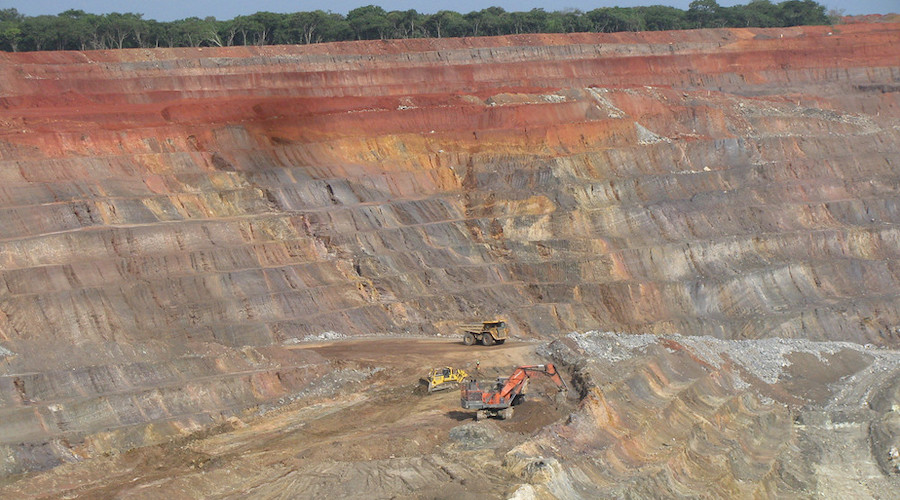
More than a year after a first delay announced in 2024, Globe Metals & Mining has yet to begin construction of its Kanyika niobium project in Malawi. In a year-end update published on December 19, the Australian company said it is still focused on raising the financing required to move the project forward. Kanyika is expected to become Africa’s first large-scale niobium mine. Due to the continued delays, production is now expected to start in 2028, instead of the early 2026 timeline initially announced.
Another year of delay
In September 2024, the company said it had secured a one-year extension from the Malawian government for the start of construction at Kanyika. That additional time was intended to allow progress on several key development steps, including securing financing, completing pre-construction engineering studies, and finalizing offtake agreements. At this stage, however, none of these objectives has yet been achieved.
Against this backdrop, authorities in Lilongwe granted the company a further 12-month extension in September this year to begin development work. While there is still no clear basis to assess the feasibility of meeting this revised timeline, Globe Metals & Mining now says it is well positioned to comply with it. The company plans to complete an updated feasibility study by March 2026, a critical step ahead of a final investment decision (FID) for Kanyika.
“As we approach 2026, we are preparing for what could be our most transformational year yet. Our key priorities include completing the BFS by 31 March, implementing the Phase One relocation program in Q2, mobilizing early works from March through September, executing our global strategic roadshows, advancing major funding initiatives, initiating of long-lead procurement, and aligning all prerequisites for the FID (ed, final investment decision),” the company said.

Based on current estimates, Kanyika is expected to produce about 73,250 tons of niobium pentoxide and 3,240 tons of tantalum pentoxide over a mine life of 23 years. The project will require total investment of $250 million, with expected revenues of $5.6 billion over the operating period. The first phase of production is now planned for 2028, while a second phase, still under planning, is expected to start in 2029, compared with an initial schedule that targeted early 2028.
A strategic project in a growing market
Despite repeated delays, Globe Metals & Mining remains committed to advancing the Kanyika project, with support from the Malawian state. This stance reflects the project’s strategic importance in a niobium market largely dominated by Brazil. According to the U.S. Geological Survey (USGS), the South American country controls about 90% of global supply.
Beyond its status as Africa’s future first industrial-scale niobium mine, Kanyika could offer an alternative to Brazilian supply at a time when diversification of sourcing is increasingly viewed as necessary. In a 2024 study, the Center for Strategic and International Studies (CSIS) noted that this heavy dependence exposes the supply chain to “significant vulnerability.”
The development of Kanyika also comes amid sustained growth in demand for niobium. While the metal is mainly used in steelmaking, it is also sought after in strategic sectors such as electronics, defense, and electric vehicles. This trend is expected to support market expansion, with the global niobium market projected to grow at a compound annual growth rate of 8.7% through 2031, according to research firm Dataintelo.
A new source of mining revenue for Malawi
To benefit from these trends, Globe Metals & Mining must now deliver on the key milestones expected in 2026. While waiting for further progress, several potential buyers have already expressed interest in sourcing niobium from Kanyika. These include alloy producer Affilips, as well as Myst Trading Pte and NEO Performance Materials, which signed memorandums of understanding with the company this year.
The effective launch of construction in 2026, together with the finalization of offtake agreements, will be decisive for Kanyika. Once in production, the mine could broaden Malawi’s mining revenue base. The Malawian state will hold a free 10% stake in the project and receive a 5% royalty on revenues. In addition, under a community development agreement (CDA), Globe Metals & Mining has committed to allocating 0.45% of the project’s annual revenue to local communities.
Related Articles

Sanu Gold Announces $5 Million Private Placement L...
06 Sep, 2024 13:08
Ivanhoe Mines produces 40,347 tonnes of copper at ...
09 Sep, 2024 09:21
Andrada partners with SQM to develop Namibia lithi...
10 Sep, 2024 08:56
US, Saudi Arabia in talks to secure metals in Afri...
10 Sep, 2024 09:07
DRC: Eurasian Secures $150 Million to Develop a Co...
12 Sep, 2024 06:22
Zambian mines desperate for power turn to a surpri...
13 Sep, 2024 11:18
Africa at the cusp of a critical minerals boom...
17 Sep, 2024 07:40
Coolabah to unite Broken Hill assets, paving path ...
17 Sep, 2024 08:40
Marula Mining completes first manganese exports sa...
18 Sep, 2024 09:05