Mining Other

ISA rules leave seabed mining stuck without benefit sharing


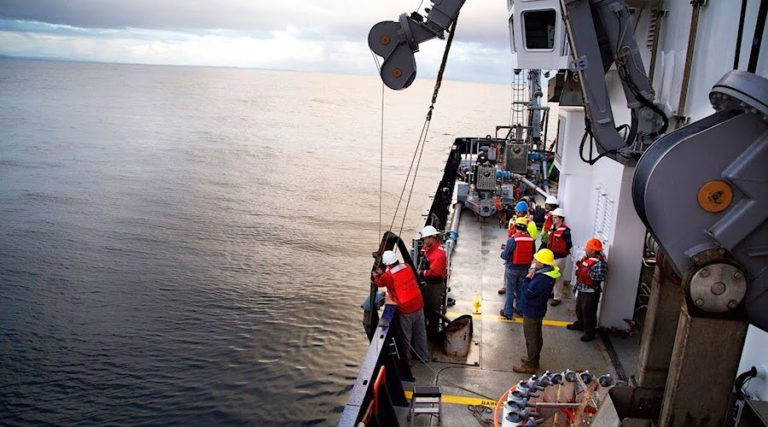
Legal experts have clarified a significant hurdle for the future of deep seabed mining: the International Seabed Authority (ISA) lacks the legal authority to approve commercial extraction until it adopts binding regulations on benefit sharing. Under the UN Convention on the Law of the Sea (UNCLOS), the seabed beyond national jurisdiction is designated as the "common heritage of humankind," requiring equitable distribution of financial and economic gains from mineral activities.
While negotiations have largely centered on finalizing exploitation rules—spurred in part by Nauru’s triggering of a two-year procedural deadline in 2021—scholars Aline Jaeckel and Erik van Doorn emphasize that UNCLOS mandates a separate set of benefit-sharing regulations, which must be approved by the ISA Assembly. Progress on this front has been slow; a draft framework was only introduced in 2024, and discussions now focus on a proposed Common Heritage Fund rather than direct payments to states.
The absence of clear benefit-sharing mechanisms has amplified calls for restraint. Approximately 40 countries currently support a moratorium, citing unresolved environmental risks and governance gaps. African nations, in particular, have stressed that mining must deliver tangible, shared benefits and avoid repeating historical patterns where resource wealth bypassed developing economies.
Despite growing corporate interest—including from companies like Lockheed Martin, Impossible Metals, and The Metals Company—the ISA cannot lawfully authorize mining until it fulfills this treaty obligation. The delay underscores a fundamental tension between commercial urgency and the legal and ethical imperative to ensure that deep-sea resources benefit all of humanity.
Related Articles
Endeavour announces transaction in own shares...
10 Sep, 2024 07:27
Ivanhoe Mines Announces MOU with Government of Zam...
10 Sep, 2024 12:24
Feasibility Study on Lumwana Super Pit Expansion E...
12 Sep, 2024 14:21
Endeavour achieves commercial production at BIOX e...
13 Sep, 2024 08:20
Roscan Gold Announces Changes to the Board of Dire...
16 Sep, 2024 10:40
Minerals Council pays tribute to Pravin Gordhan...
16 Sep, 2024 12:17
Notification of an acquisition of beneficial inter...
18 Sep, 2024 08:39
Newmont on track to get at least $2 billion from a...
18 Sep, 2024 10:49
UAE firm plans to invest $500m in Tanzania...
19 Sep, 2024 08:37