Logistic

How Africa’s logistics corridors shape the success of AfCFTA trade


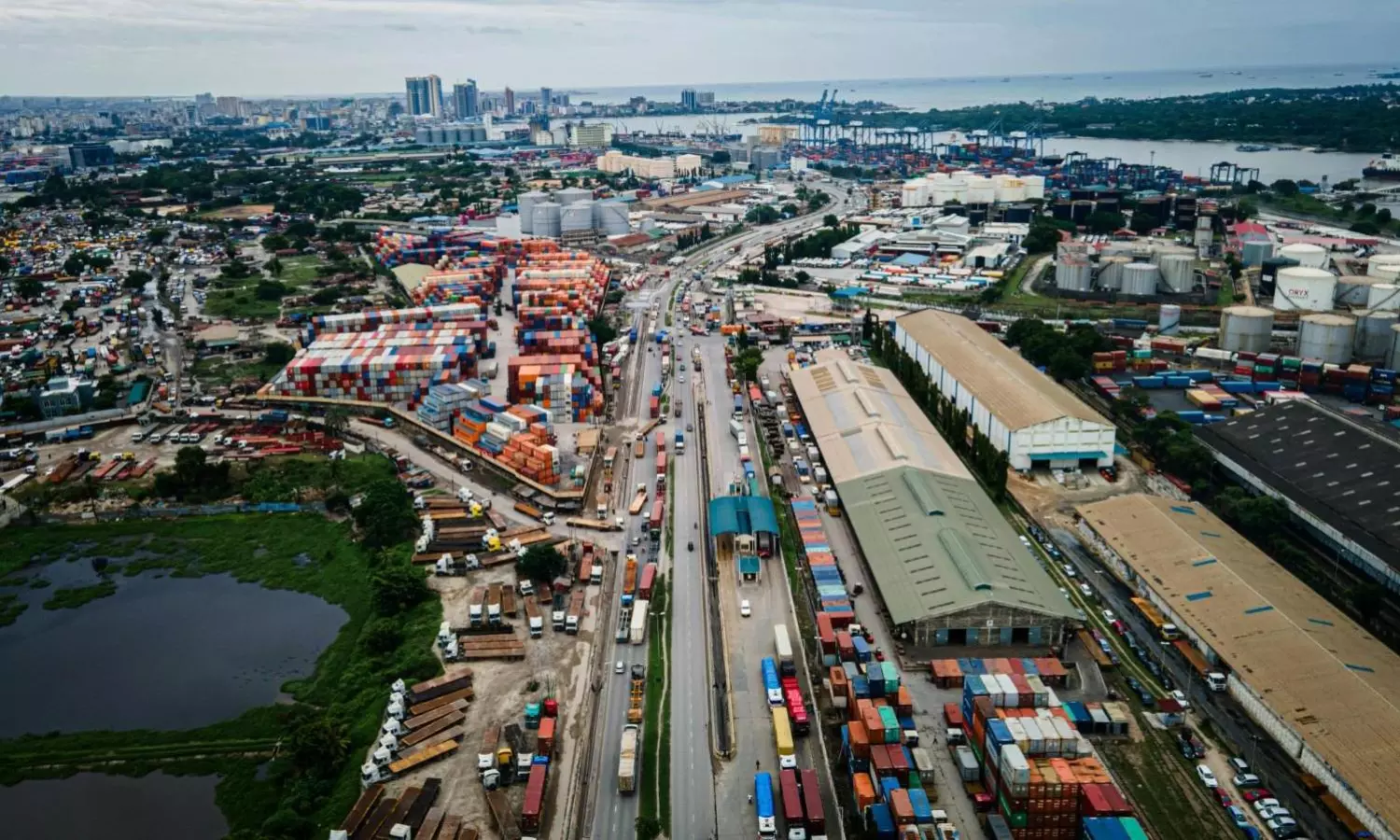
The promise of seamless continental trade faces the reality of chronic border bottlenecks and infrastructure gaps, testing the ambitions of the African Continental Free Trade Area.
Africa’s logistics corridors are emerging as dynamic arteries, linking remote production hubs with growing urban markets and fuelling the ambitions of the African Continental Free Trade Area (AfCFTA). The promises of pan-continental growth are anchored in the day-to-day realities of the truckers, freight forwarders, and customs officials who manage the flow of goods.
When the AfCFTA agreement came into force in January 2021, it presented a chance to rewire trade away from global dependencies and build internal economic muscle. However, intra-African trade has languished at just 14–17% of total exports, hampered by chronic border bottlenecks, fragmented regulations, and a lack of enabling infrastructure for large or complex cargo.
"For the abnormal load industry, it's not always easy to draw a clear comparison for large-scale cargo against AfCFTA," notes Ryan Hosking, Director at Vanguard. "We have observed a fair amount of cross-border transport requests for the mining and power industries, but given the nature of the industry, assessing the impact of AfCFTA on heavy cargo movement is complex."
Corridors Changing the Game
Flagship corridors like LAPSSET (linking Kenya to Ethiopia and South Sudan), the North-South corridor in Southern Africa, and the Abidjan-Lagos coastal highway in West Africa are experiments in connectivity. These corridors are lifelines of intra-African commerce, compressing distances that once caused weeks-long delays.
Yet, progress is uneven. "We have not observed any major changes to border processes for heavy cargo," adds Hosking. "Regulatory and infrastructure bottlenecks still restrict trade flows. Our role is to continue active collaboration with the relevant authorities to enable smooth, compliant transit."
The Human Element and Multimodal Solutions
The real-world impact is felt by people on the ground. Rodney Seema, Director of EAMT, describes how roll-on/roll-off (RoRo) vessels on Lake Victoria have transformed cargo movement.
"With the introduction of M.V. MPUNGU, the first scheduled RoRo freight vessel on the lake, EAMT offers a dependable alternative to overcrowded and less efficient road transport," Seema says. "This reduces travel times from days to hours, lowers carbon emissions, decreases costs, and improves regional connectivity."
For drivers, the journey becomes significantly safer and less stressful, with minimized risks of cargo pilferage. The efficiency gains ripple outward, meaning freight arrives quicker and cheaper, benefiting local businesses and the wider economy.
Bottlenecks and the Road Ahead
Despite these strides, stubborn bottlenecks persist. Customs harmonisation remains patchy, and digital systems are only as strong as their weakest link. Hosking underscores that for heavy cargo, "major changes have yet to materialise."
Looking forward, the solution lies in scaling up multimodal logistics, streamlining documentation, and standardising tariffs. Seema argues that tariff alignment for services like RoRo shipping would create a predictable environment, incentivising greater use of such services and boosting intra-African trade.
He identifies the single most impactful change as "stronger collaboration among corridor authorities to harmonise policies and tariffs... By working together to reduce inefficiencies, authorities can unlock greater opportunities and ensure that regional goods remain more attractive than imports from outside the continent."
Africa’s logistics corridors are at a crossroads, embodying both the promise of AfCFTA and the stubborn realities of cross-border trade. The answer to whether these ambitions translate into tangible prosperity will be decided by investments in infrastructure, smarter policy, and genuine harmonisation.
Related Articles

China, Tanzania, Zambia sign initial agreement on ...
04 Sep, 2024 07:20
Arthur D. Little grows Middle East travel & transp...
05 Sep, 2024 08:16
Forum on "North-South" International Transport Cor...
05 Sep, 2024 10:29
APM Terminals to invest $115 million in Nigeria123...
06 Sep, 2024 13:37
Container spot rates drop 8%...
09 Sep, 2024 10:41
Africa Emerges as a Key Player in Global Airfreigh...
10 Sep, 2024 13:01
Shortlist spotlight 2024: Project Logistics Provid...
12 Sep, 2024 09:59
Logistics News ME’s September issue reflects on Em...
12 Sep, 2024 13:54
New Africa routes for SAA...
13 Sep, 2024 10:56