Mining Other

Demand for critical minerals is surging - Sustainable mining must catch up


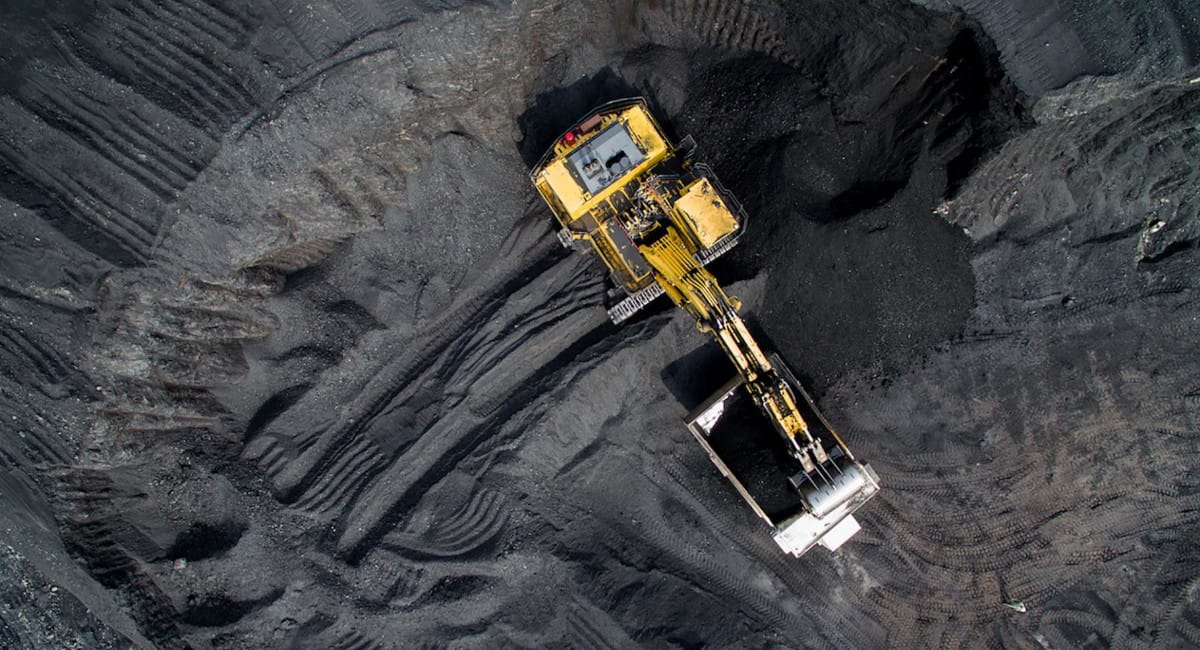
The global transition to clean energy is fundamentally dependent on a rapid and significant increase in the supply of critical minerals. This reality was underscored at the COP30 climate conference. However, without urgent improvements and substantial investment in sustainable mining practices, developing economies will continue to bear the environmental and social costs of this global shift.
According to Alastair Bovim, CEO of Insight Terra, this moment represents a critical turning point for the global climate agenda. He emphasizes that the clean energy transition is powered by minerals, many of which are sourced from Africa. Bovim warns that unless sustainable mining practices scale at the same pace as mineral demand, the transition will deepen global inequality rather than deliver climate justice, effectively shifting the environmental burden onto developing regions.
Data from the International Energy Agency projects that global demand for critical minerals will quadruple by 2040, with demand for some materials expanding thirtyfold. Reflecting this, COP30 draft texts formally acknowledged the role of mineral governance in achieving the Paris Agreement for the first time, highlighting the risks associated with the rapid expansion of mining for copper, cobalt, lithium, nickel, and rare earth elements.
The stakes for improving mining practices are exceptionally high. Communities near extraction sites across Africa face disproportionate risks, including water contamination, tailings dam failures, airborne pollutants, displacement, and increased climate vulnerability. Recent catastrophic dam incidents in Zambia and the Democratic Republic of Congo serve as stark examples of how local populations absorb the immediate and multigenerational impacts of extraction.
While progress is being made, existing frameworks like the Global Industry Standard on Tailings Management (GISTM) remain voluntary and self-assessed. Bovim argues that such frameworks are essential foundations but are insufficient without real-world implementation, which must be grounded in comprehensive and reliable data.
Bovim identifies real-time monitoring as the critical missing link in achieving sustainable mining. He advocates for the integration of multisource data—from satellite imagery and IoT sensors to ground-based instruments—into platforms that can provide continuous visibility into water quality, tailings integrity, and land stability, enabling proactive intervention.
This approach is particularly crucial for water management, given rising water stress in mining regions. Bovim notes that mining companies must begin to treat water as a strategic resource central to climate resilience, rather than as a mere by-product of their operations.
With Africa holding some of the world's most essential transition minerals, the continent has a strategic opportunity to lead in defining a new model of sustainable extraction. By prioritizing transparency, advanced monitoring, and community protection, Africa can leverage these standards as a strategic advantage, ensuring that the global clean energy transition is both environmentally sound and socially just.
Related Articles
Endeavour announces transaction in own shares...
10 Sep, 2024 07:27
Ivanhoe Mines Announces MOU with Government of Zam...
10 Sep, 2024 12:24
Feasibility Study on Lumwana Super Pit Expansion E...
12 Sep, 2024 14:21
Endeavour achieves commercial production at BIOX e...
13 Sep, 2024 08:20
Roscan Gold Announces Changes to the Board of Dire...
16 Sep, 2024 10:40
Minerals Council pays tribute to Pravin Gordhan...
16 Sep, 2024 12:17
Notification of an acquisition of beneficial inter...
18 Sep, 2024 08:39
Newmont on track to get at least $2 billion from a...
18 Sep, 2024 10:49
UAE firm plans to invest $500m in Tanzania...
19 Sep, 2024 08:37