Mining Other

China’s Critical Mineral Strategy in Africa


By: Africa center for strategic studies
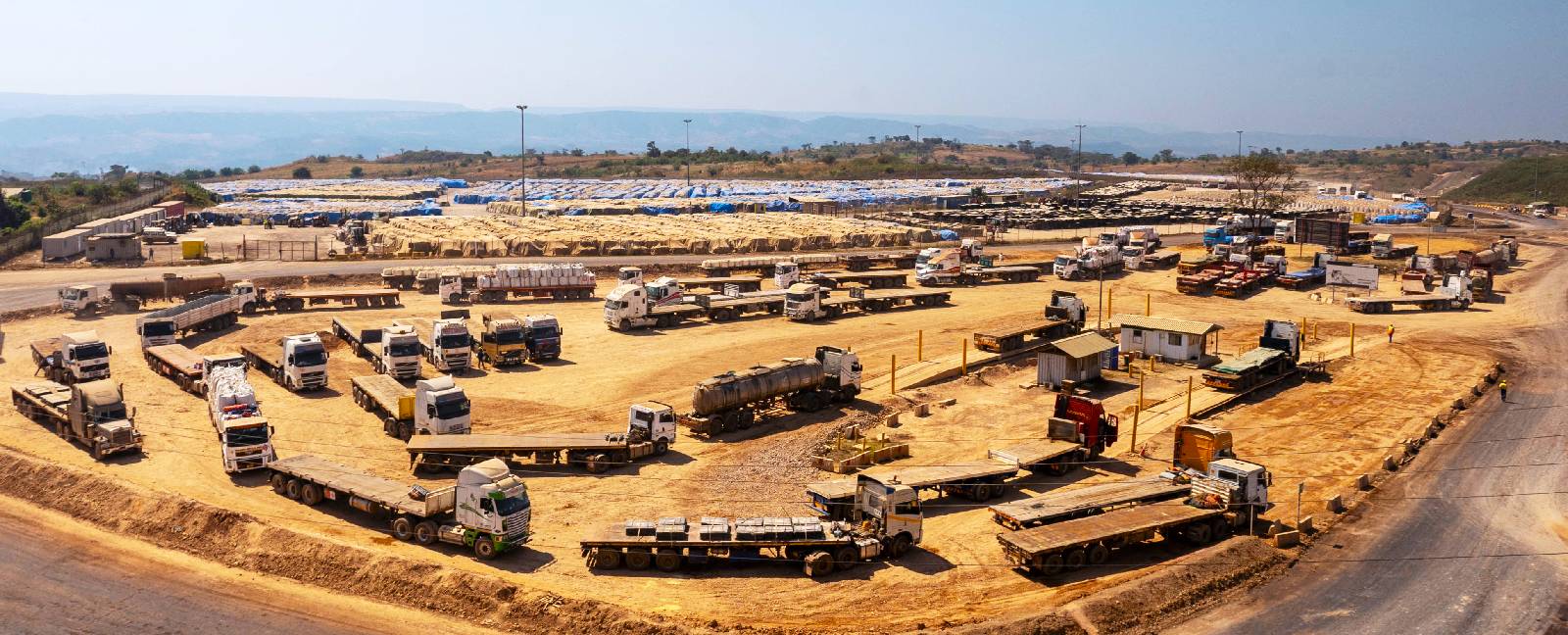
China has established a dominant and deeply embedded position in Africa’s critical minerals sector through decades of strategic investment, state-backed financing, and control over key infrastructure. By securing major mining assets—such as copper in Zambia and the DRC, lithium in Mali, and rare earths in Tanzania—and operating an estimated 66 mining projects across the continent, Beijing controls a significant portion of the supply chain. This dominance extends beyond extraction; China refines an estimated 87% of global critical minerals and processes over 90% of rare earth elements, leveraging its control to influence global prices and supply security.

Chinese influence is reinforced through vertical integration and strategic infrastructure projects under the Belt and Road Initiative. Chinese firms finance and build railways, ports, and power grids that connect African mines to global markets—such as the TAZARA railway linking Zambia and Tanzania—ensuring logistical control. Additionally, resource-backed finance deals often tie infrastructure loans to long-term mineral exports, locking African nations into arrangements that critics say undervalue resources and limit fiscal sovereignty.
While African nations are attempting to move up the value chain—through export restrictions, local processing initiatives, and regional cooperation such as the DRC-Zambia battery special economic zone—they face structural challenges. These include capital intensity, technological gaps, power shortages, and China’s own advances in next-generation battery technologies that could reduce demand for certain African minerals. Moreover, Chinese operations have faced criticism over environmental damage, labor abuses, and illicit mining, prompting growing local activism and legal challenges, as seen in Zambia’s Kafue River spill case.

To regain sovereignty and capture greater value, African countries are urged to enforce stricter terms in mining contracts, prioritize skills and technology transfer, invest in domestic processing, strengthen regulatory oversight, and leverage regional frameworks like the African Continental Free Trade Area. The path forward requires balancing engagement with external partners while safeguarding long-term developmental interests.
Related Articles
Endeavour announces transaction in own shares...
10 Sep, 2024 07:27
Ivanhoe Mines Announces MOU with Government of Zam...
10 Sep, 2024 12:24
Feasibility Study on Lumwana Super Pit Expansion E...
12 Sep, 2024 14:21
Endeavour achieves commercial production at BIOX e...
13 Sep, 2024 08:20
Roscan Gold Announces Changes to the Board of Dire...
16 Sep, 2024 10:40
Minerals Council pays tribute to Pravin Gordhan...
16 Sep, 2024 12:17
Notification of an acquisition of beneficial inter...
18 Sep, 2024 08:39
Newmont on track to get at least $2 billion from a...
18 Sep, 2024 10:49
UAE firm plans to invest $500m in Tanzania...
19 Sep, 2024 08:37