Transport maritime

Hormuz Blockade Empties Basra Port, Cuts Iraq Oil Exports to 2.6m bpd


By: OrePulse
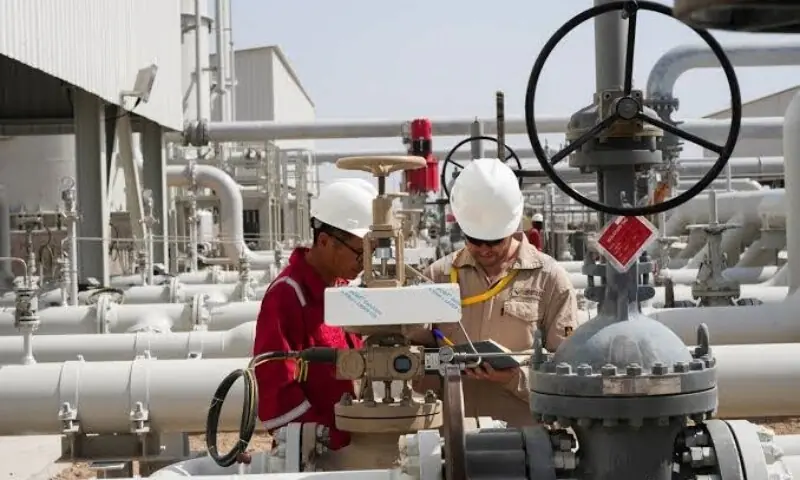
Workers across Basra, Iraq's principal oil and cargo hub, are absorbing pay cuts, layoffs and idle equipment as Iran's blockade of the Strait of Hormuz continues to squeeze the country's crude exports.
Maintenance contractor Fawzi said he now reports for duty only 15 days a month, after his employer cut salaries by 20 percent and then by half before dismissing dozens of workers. "I haven't done anything in a month," he said. "What are we supposed to maintain?"
Crude sales make up close to 90 percent of Iraq's foreign revenue, and the bulk of that oil moves through Hormuz from facilities clustered around Basra, the country's only outlet to the Gulf. The months of fighting have underscored how dependent Iraq's finances remain on that single corridor, complicating a recovery effort that has been years in the making.
Before fighting broke out at the end of February, Iraq was producing roughly four million barrels of crude a day and exporting an average of 3.4 million, most of it through Hormuz. Once Iran moved to blockade the strait, onshore storage tanks filled quickly and forced Baghdad to pull back production. Analysts have for years urged Iraq to build other sources of income to buffer against swings in energy markets. Still, a still-developing private sector, a weak banking system and worn infrastructure have made that difficult.
Baghdad has leaned on workarounds instead, moving crude by truck across Syria and through a pipeline to Turkey, though together they carry only a fraction of what normally moves by sea. Exports through Hormuz began recovering in the first week of September, according to tracking data from the maritime intelligence firm Kpler. However, a government official said the oil is being sold at "discounted prices." Authorities put the September export average at 2.6 million barrels per day. Iran granted Iraqi tankers a special exemption in late August, and Washington says its recent efforts have helped lift Gulf export volumes by opening a secure corridor through Hormuz that hugs Oman's coastline.
Even so, the financial strain is visible: prices have climbed, and the Iraqi dinar has swung in value. Foreign currency reserves have dropped by $20 billion, the government official said. Iraq depends on that foreign currency to pay public employees, cover imports and keep the dinar stable, and the drop in revenue has pushed the government to borrow domestically.
Economist Ali al-Mawlawi said the government hopes to keep borrowing for months but is, in his words, "probably banking on a resolution to the conflict before the end of this year." The partial rebound in exports has bought Baghdad what he called "a little more time," letting the government cover salaries with only minor delays. "The imperative is to ensure that it can continue doing so, Mawlawi said.
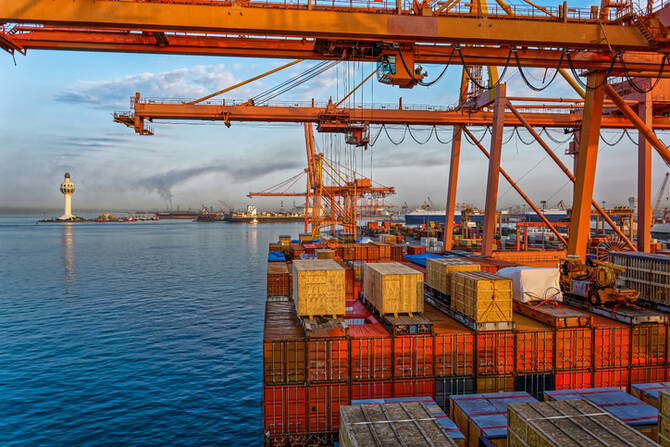
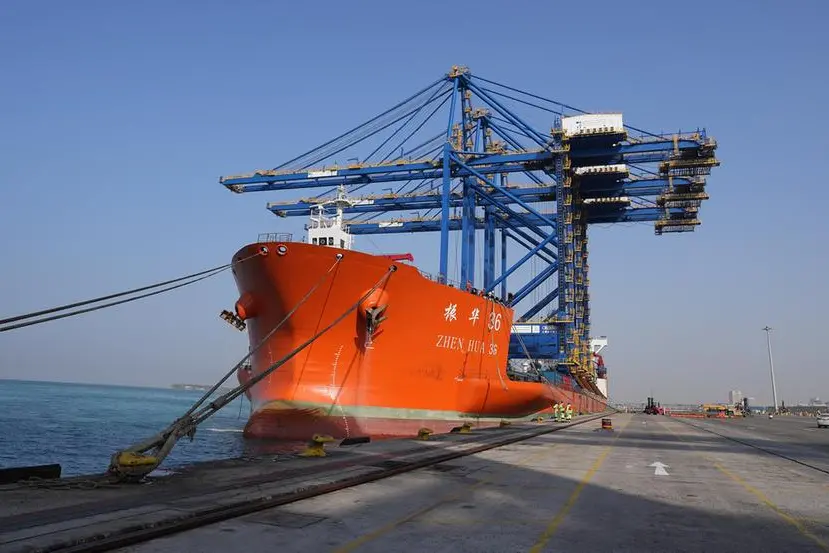
The slowdown is most visible at Umm Qasr, the country's major southern port and the entry point for most of Iraq's imports of food, medicine, electronics and natural gas. The port now sits largely empty. A handful of vessels remained in the port's northern section, among them a ship flying the Iranian flag and another vessel that port employees said had arrived from China after passing through Hormuz. Three recently completed wharves stood unused, their cranes and walkways idle. State port employees have also lost the monthly incentive payments tied to the port's profits that once supplemented their wages.
Captain Salem Hussein, who heads the port's northern sector, said staffing has had to shrink as vessel traffic has declined. "If ships don't come... companies cannot maintain the same workforce," he said. "Real work resumes only when Hormuz reopens."
The disruption has spread into the broader local economy. Zaid Hadi, a 36-year-old electronics vendor in Basra, said his sales have fallen by half, citing pricier imports, wage cuts, layoffs and an exodus of foreign oil-sector workers from the city. He said customers "now hesitate to spend... worried about possible salary delays" and are fearing harder times ahead.
Amir, 35, who worked for a private contractor at an oil field that cut salaries by 40 percent, summed up the toll on the city: "In Basra, we depend on the port and the oil, and now both have come to a halt."
Articles similaires
Mawani, Sultan Logistics to build logistics zone i...
03 mars, 2026 08:39
AD Ports Group confirms business continuity across...
04 mars, 2026 12:04
AD Ports says rerouted maritime traffic may lift v...
04 mars, 2026 12:07
Aqaba port maintains operations as cargo vessels d...
04 mars, 2026 12:43
All Jebel Ali terminals are operating normally...
06 mars, 2026 09:06
Kuehne+Nagel holds top sea freight rank in 2025...
06 mars, 2026 10:48
War-risk cover for Gulf shipping may take months t...
06 mars, 2026 10:58
CMA CGM posts $54.4bn revenue despite volatile shi...
09 mars, 2026 08:58
DP World handles multi-country shipments for T20 W...
10 mars, 2026 09:32