Logistic

Ghana Chamber of Shipping calls for improved local participation in maritime transport


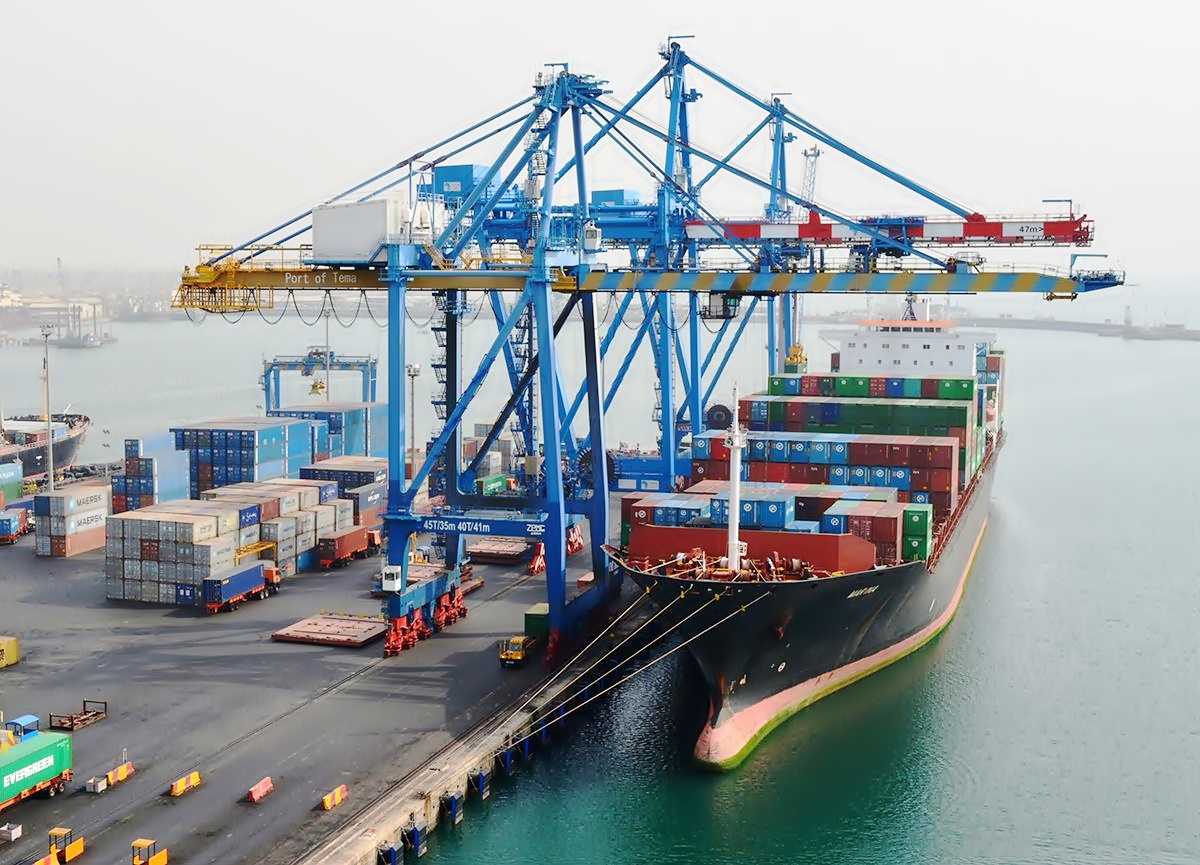
The Ghana Chamber of Shipping urges government to introduce incentives that increase local participation in the country’s maritime transport sector, to help retain more revenue and reduce overreliance on foreign operators.
Stanley R. K. Ahorlu, President of the Chamber, makes the call at a stakeholder forum on maritime transport organised by the Chamber in collaboration with the Ministry of Transport.
The forum holds under the theme: “Streamlining Ghana’s Maritime Transport and Logistics Sector for Transparency, Efficiency, and Competitiveness.”
Ahorlu observes that Ghana remains a net importer of maritime services, citing the 2023 maritime profile published by the United Nations Conference on Trade and Development (UNCTAD).
The report reveals that Ghana imports about US$2.4 billion worth of maritime services, while exports amount to only US$426 million, creating a trade deficit of US$1.9 billion.
“This means that nearly two billion dollars is leaving the country to pay for maritime transport services, resources that could have been retained locally with stronger domestic participation,” he stresses.
While acknowledging that the global shipping industry is dominated by multinational companies, Ahorlu says Ghana could strengthen its role in the logistics value chain, particularly in areas linking ports to the hinterlands.
To do so, however, government must provide incentives and facilitate access to affordable capital for Ghanaian operators.
He explains that local companies are disadvantaged because while multinational firms borrow internationally at interest rates of less than six percent, Ghanaian firms face borrowing costs of 11–12 percent on the dollar.
“If you borrow locally, you cannot compete. Government support is needed to level the playing field,” he adds.
Ahorlu further notes that the issue has security implications, warning that Ghana’s overdependence on foreign-controlled maritime transport reduces national economic control.
He recalls that Ghana’s first post-independence government invests in ports, a national shipping line, and shipyards precisely because of the strategic importance of controlling maritime trade, remarking: “He who controls the sea controls the world.”
Touching on sector reforms, he says the absence of a comprehensive maritime transport policy remains a major gap, despite the 2020 National Transport Policy’s vision of establishing Ghana as a transport hub for West Africa.
He highlights other outstanding issues including the need for a robust regulatory framework underpinned by a national maritime policy, the creation of a reliable maritime transport database, stronger consumer protection laws, and economic regulations that promote local content.
Ahorlu urges stakeholders to work with government in addressing these gaps, stressing that maritime transport is critical to Ghana’s economy and its future industrial growth.
Related Articles
China, Tanzania, Zambia sign initial agreement on ...
04 Sep, 2024 07:20
Arthur D. Little grows Middle East travel & transp...
05 Sep, 2024 08:16
Forum on "North-South" International Transport Cor...
05 Sep, 2024 10:29
APM Terminals to invest $115 million in Nigeria123...
06 Sep, 2024 13:37
Container spot rates drop 8%...
09 Sep, 2024 10:41
Africa Emerges as a Key Player in Global Airfreigh...
10 Sep, 2024 13:01
Shortlist spotlight 2024: Project Logistics Provid...
12 Sep, 2024 09:59
Logistics News ME’s September issue reflects on Em...
12 Sep, 2024 13:54
New Africa routes for SAA...
13 Sep, 2024 10:56